Explore Fukushima - Japan Travel, Asia
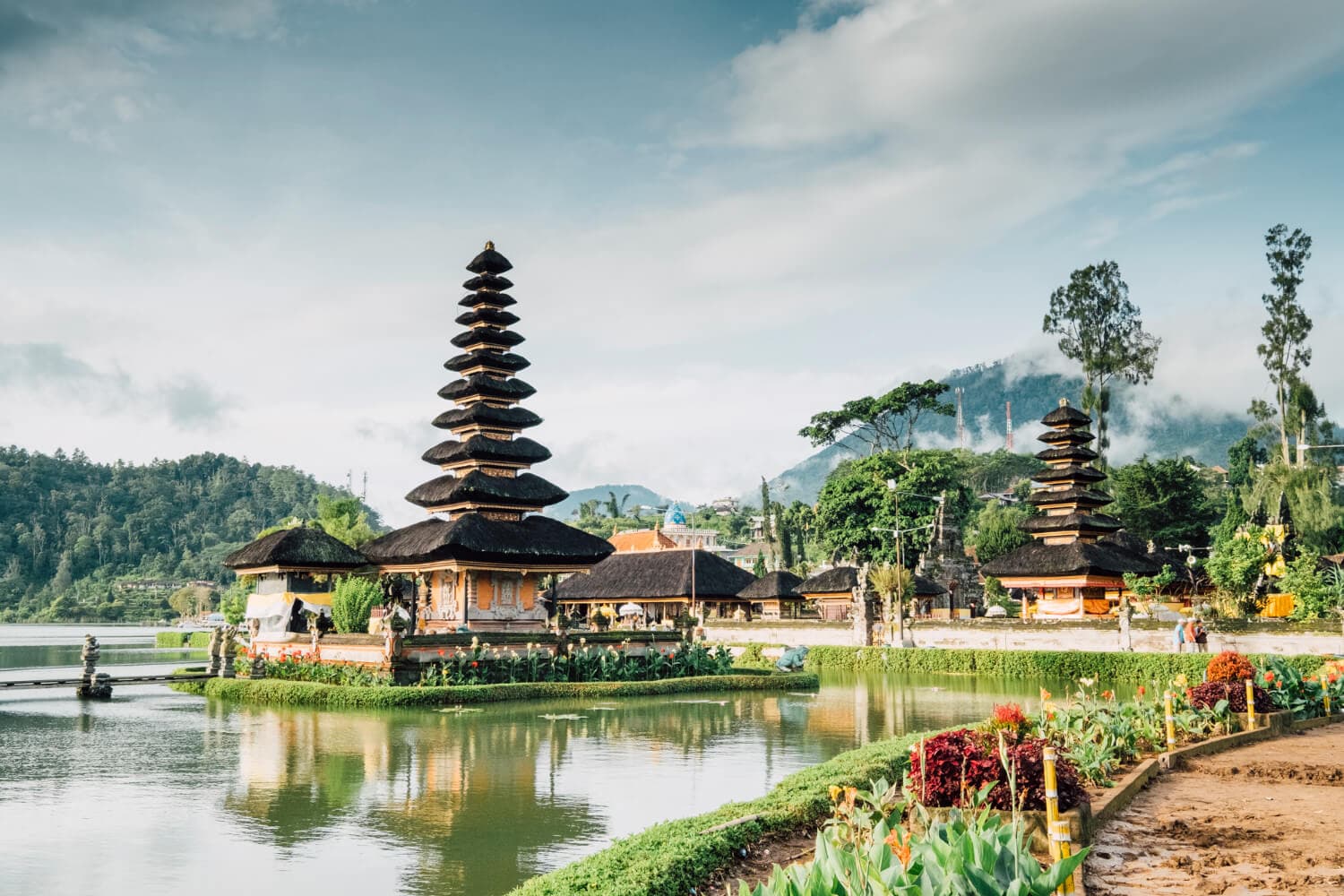
Nestled in Japan's scenic Tohoku region, Fukushima offers travelers a unique blend of historical charm, cultural richness, and natural beauty. Known for its stunning landscapes and welcoming communities, Fukushima is an excellent destination for those seeking an authentic Japanese experience beyond the bustling metropolises. Renowned for its diverse attractions, from ancient castles and hot springs to vibrant festivals and picturesque countryside, Fukushima offers a great opportunity for cultural and historical exploration for anyone who loves Japanese culture.
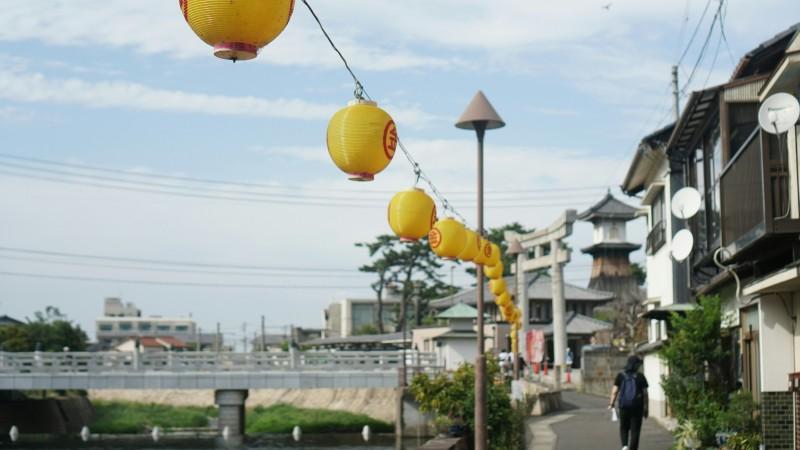
Population: Approximately 1.8 million in 2023.
Economy: Specializing in the seafood and fishing industries, Fukushima, with its historical impacts, now continues to thrive as one of the most developed and largest economies in Japan.
Landmarks: Famous for Aizu-Wakamatsu Castle, Fukushima City Historical Museum, and Ouchi-juku.
Japan
Overview of Fukushima
History & Cultural Influence
Fukushima's history stretches back over a thousand years, with its cultural tapestry woven from ancient traditions and modern influences. The region has been a significant player in Japan’s history, from its role in samurai battles to its cultural renaissance. Fukushima's historical significance is marked by its impressive landmarks, such as the Aizu-Wakamatsu Castle, a symbol of the region’s samurai heritage, standing as a testament to the area's feudal past. The cultural practices of Fukushima are deeply rooted in its historical background. Traditional crafts, such as Aizu lacquerware and handwoven textiles, showcase the artistry passed down through generations. The region’s festivals and local customs reflect a rich heritage, celebrating both historical events and seasonal changes.
Interaction with the Locals
Fukushima has a population of approximately 1.8 million people. The citizens of Fukushima are known for their resilience and warmth, with a community deeply rooted in traditional Japanese values. The prefecture's residents are actively involved in preserving their cultural heritage while embracing modern advancements. Fukushima's population is diverse, including both long-time locals and newcomers drawn by the region's natural beauty and cultural significance.
Top Attractions in Fukushima
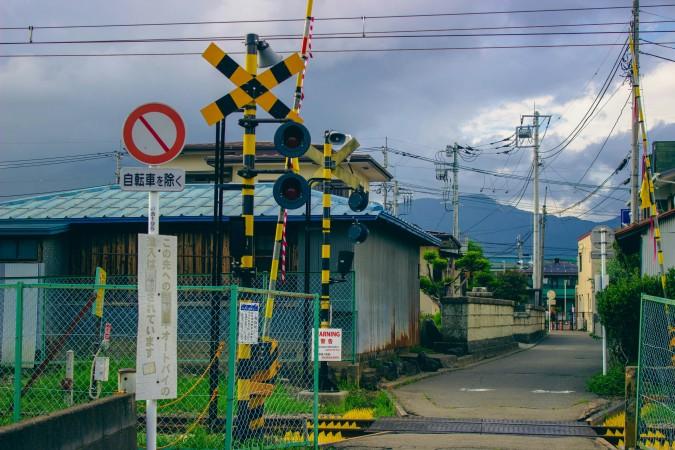
Fukushima offers a rich amount of attractions that cater to diverse interests, from historical sites to natural wonders and modern marvels. Whether you're a history buff, nature lover, or culture enthusiast, Fukushima has something to captivate you.
Must-See Places in Fukushima
- Aizu-Wakamatsu Castle: This iconic castle, also known as Tsuruga Castle, is a centerpiece of Fukushima’s historical heritage. It features striking white walls and a red roof, offering panoramic views of the surrounding city and a deep dive into the samurai era through its detailed exhibits and historic displays.
- Ouchi-juku: Ouchi-juku is a post town from the Edo era that has been well maintained to this day. Ouchi-juku is renowned for its traditional thatched-roof houses and charming atmosphere, making it a picturesque spot to experience Japan’s historical rural life.
Natural Wonders in Fukushima
- Bandai-Asahi National Park: A paradise for outdoor enthusiasts, this park features the majestic Mount Bandai, known for its volcanic origins and beautiful crater lakes. The park’s diverse hiking trails, scenic viewpoints, and tranquil Goshikinuma Ponds provide ample opportunities for exploration and relaxation.
- Fukushima Prefectural Museum: Discover the natural and cultural history of Fukushima with interesting displays at this large museum. From fossil displays to local art and historical artifacts, the museum offers a deep dive into the region’s heritage.
Cultural and Historical Sites in Fukushima
- Aizuwakamatsu Tsuruga Castle Museum: Located within the Aizu-Wakamatsu Castle grounds, this museum provides an in-depth look at the history of the Aizu domain and the important role it played in Japan’s samurai history.
- Fukushima City Historical Museum: Discover the rich history of Fukushima City and its development through engaging exhibits that cover various historical periods and cultural aspects of the region.
Unique Experiences in Fukushima
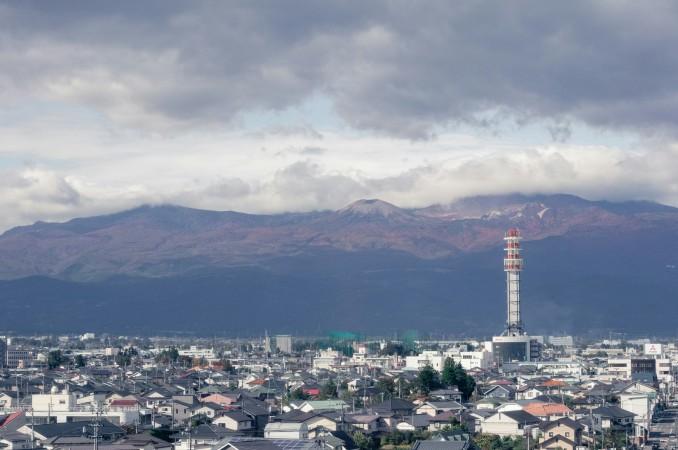
- Inawashiro Lake: This large, scenic lake offers recreational activities such as boating, fishing, and paddleboarding. The lake’s stunning backdrop, including views of Mount Bandai, makes it a popular spot for leisurely outings.
- Ura-Bandai Area: Known for its pristine natural beauty, this area features stunning lakes and hiking trails. It's the perfect place for anyone looking for peace and beautiful scenery.
Must-Try Dishes in Fukushima
Fukushima’s culinary delights are treasure troves of flavors and traditional dishes, reflecting its rich agricultural and seafood heritage. Here are some must-try local dishes that capture the essence of Fukushima’s cuisine:
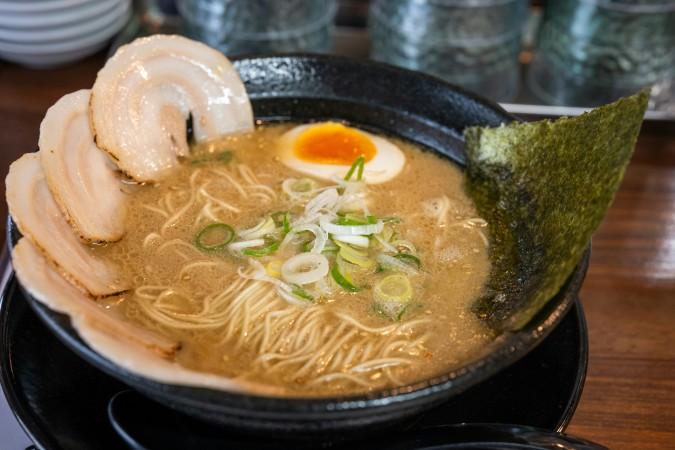
- Aizu Miso Ramen: This beloved ramen from the Aizu region is renowned for its hearty miso-based broth, tender noodles, and a variety of toppings including sliced pork, bamboo shoots, and green onions.
- Soma Beef: This premium beef from the Soma region is prized for its marbled texture and rich flavor. It can be enjoyed in various preparations, from grilled steaks to simmered hot pots.
- Fresh Seafood: Fukushima’s coastal location ensures an abundance of fresh seafood. Delve into dishes like sashimi, sushi, and grilled fish to savor the freshest catches from the Pacific.
- Kuzuyu: A traditional sweet drink made from kudzu starch, Kuzuyu is both comforting and nourishing. It has a light sweetness and is a favorite option in the winter months. It is often consumed warm.
- Tori-no-Karaage: This Japanese-style fried chicken, known for its crispy exterior and juicy interior, is a local favorite. Marinated in soy sauce and spices, it’s often served as a snack or part of a meal.
- Inaniwa Udon: These Inaniwa region's thin, chewy udon noodles are eaten hot in a soup or chilled with a dipping sauce. Their smooth texture and delicate flavor make them a must-try.
- Aizu Kura: Traditional sake produced in the Aizu region, Aizu Kura is known for its refined taste and quality. Sampling local sake is an integral part of experiencing Fukushima’s culinary culture.
Festivals & Local Celebrations
Fukushima’s festivals and celebrations offer vibrant glimpses into its cultural traditions and community spirit. These events highlight the region’s rich history and seasonal festivities.
- Aizu Festival: Held annually in Aizu-Wakamatsu, this festival features traditional parades, samurai reenactments, and local performances. It’s a celebration of Fukushima’s samurai heritage and historical significance.
- Soma Nomaoi Festival: This unique festival, known for its thrilling horseback battles and samurai armor, takes place in Soma City. It’s a vivid display of traditional Japanese martial culture and historical pageantry.
- Iizaka Onsen Festival: Celebrated in the Iizaka Onsen area, this festival features hot spring bathing, traditional dance performances, and local food stalls. It’s a joyful event that combines relaxation with cultural festivities.
- Katsura-no-Mai Festival: Held in the city of Fukushima, this festival showcases traditional dance performances and colorful processions, celebrating local traditions and community pride.
What to Do in Fukushima
Fukushima offers a wide range of activities for tourists, catering to adventure seekers, nature enthusiasts, and those looking to relax and unwind.
- Outdoor Adventures: Explore the Bandai-Asahi National Park for hiking, nature walks, and scenic views. The park’s diverse trails and stunning landscapes provide excellent opportunities for outdoor activities.
- Skiing and Snowboarding: During winter, the Hoshino Resort Alts Bandai offers thrilling skiing and snowboarding experiences. The resort’s well-maintained slopes and beautiful snow-covered vistas make it a winter sports haven.
- Hot Spring Baths: Relax in the therapeutic waters of Fukushima’s famous hot springs, such as those in the Iizaka Onsen area. Enjoy a soothing soak while taking in the natural beauty of the surroundings.
- Cultural Workshops: Participate in local cultural workshops, including traditional crafts and tea ceremonies. These hands-on experiences offer insights into Fukushima’s rich cultural heritage and artisanal skills.
Shopping in Fukushima
Fukushima offers a diverse shopping experience that combines traditional markets, unique local crafts, and modern retail options. Whether you’re looking for souvenirs, artisanal products, or contemporary goods, here are the best places to shop in Fukushima:
- Fukushima Station Market: Located near Fukushima Station, this bustling market features fresh produce, local snacks, and regional specialties. It’s a great place to experience the vibrant local atmosphere and pick up some unique food items.
- Aizu-Wakamatsu Traditional Market: This market in Aizu-Wakamatsu is known for its traditional charm and variety of goods, including local crafts, fresh produce, and artisanal foods. Stroll through the stalls to find unique souvenirs and taste local delicacies.
- Aizu Lacquerware Shops: Discover beautifully crafted Aizu lacquerware, known for its exquisite finish and intricate designs. Shops in Aizu-Wakamatsu and other parts of Fukushima offer a range of lacquered items, from tableware to decorative pieces.
- Fukushima Souvenir Shops: Visit souvenir shops in major cities like Fukushima City and Aizu-Wakamatsu to find a variety of regional products, from traditional sweets and snacks to locally made crafts and souvenirs.
- Specialty Food Stores: Shop for local specialties such as Fukushima pickles, regional rice, and gourmet foods. These specialty stores offer high-quality products that reflect the culinary heritage of the region.
- Fukushima City Shopping Areas: Explore contemporary shopping districts in Fukushima City, where you’ll find a mix of fashion boutiques, electronics stores, and department stores. These areas provide a modern retail experience alongside traditional shopping options.
Weather in Fukushima: Best Time to Visit
Fukushima experiences a diverse climate throughout the year, shaped by its geographical location and topography. Understanding the weather patterns and tourism trends can help you plan your visit effectively and make the most of your time in this captivating region.
Spring in Fukushima
Spring in Fukushima is marked by mild temperatures and blooming cherry blossoms, making it an ideal season for outdoor exploration and enjoying the picturesque scenery. The cherry blossom season attracts many tourists, so it’s a great time for photography and participating in hanami (flower viewing) parties. The range during daytime temperatures is 10°C to 20°C (50°F to 68°F).
Summer in Fukushima
Summers in Fukushima are warm and humid, with temperatures often reaching between 20°C and 30°C (68°F to 86°F). This season is popular for outdoor activities like hiking in the Bandai-Asahi National Park and enjoying water sports. Despite the high humidity and occasional rainfall, summer is a vibrant time for local festivals and outdoor events.
Autumn in Fukushima
Autumn brings cooler temperatures and stunning fall foliage, making it a prime season for sightseeing and nature walks. The vibrant autumn colors attract tourists to famous spots such as the Aizu region and the Ouchi-juku historic village. The daytime temperature ranges from 10°C to 20°C (50°F to 68°F), making it a great time for taking pictures and indulging in cuisine that is in season.
Winter in Fukushima
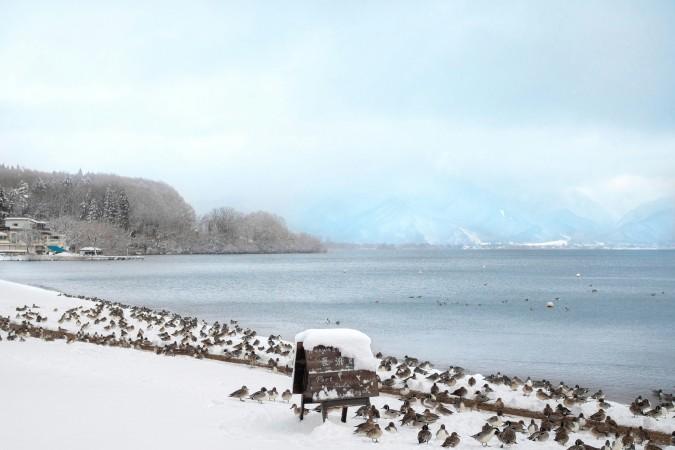
Winters may be harsh, with many days falling below freezing, particularly in the mountainous regions. Snowfall is common, making it a popular season for skiing and snowboarding at resorts like Hoshino Resort Alts Bandai. The winter season also offers opportunities to enjoy hot spring baths and traditional winter festivals. Anticipate temperatures ranging from -5°C to 5°C (23°F to 41°F).
Essential Travel Information
Getting Around Fukushima
- By Train: The JR East network covers most of the region, with the Tohoku Shinkansen connecting Tokyo to Koriyama Station in under 90 minutes.
- By Bus: Long-distance and local buses link major cities and rural attractions. Tourist-friendly options like the Aizu Loop Bus offer hop-on-hop-off convenience around heritage sites.
- By Car: Renting a car is ideal for off-the-beaten-path travel. The Joban Expressway and other highways provide easy access to hot springs, mountains, and hidden villages.
- By Bicycle: Cycling routes around Lake Inawashiro and the Bandai Highlands cater to active travelers. Many local stations rent out bikes with maps and support for tourists.
ATM & Banking Services
- ATMs that accept international cards can be found at: Japan Post Offices, 7-Eleven convenience stores, AEON malls and shopping centers. Most of these ATMs operate 24/7 and support Visa, MasterCard, UnionPay, and more. However, carrying some cash is recommended as many rural restaurants and inns may not accept credit cards.
- Currency Exchange: Currency exchange services are available at major banks in Koriyama, Fukushima City, and Aizu-Wakamatsu. Airports and large hotels may also offer limited exchange services.
- Mobile Payments: In urban areas, Suica, PASMO, and PayPay are widely accepted. However, keep your yen ready when heading into smaller towns.
Where to Stay in Fukushima
- Ryokans (Traditional Inns): These Japanese-style inns often feature tatami mat rooms, futon bedding, and kaiseki (multi-course meals). They’re ideal for travelers seeking cultural immersion and personalized service.
- Guesthouses and Minshuku: Family-run accommodations with a warm, welcoming atmosphere. These are perfect for budget-conscious travelers looking for authentic, homely stays and opportunities to interact with locals.
- Resorts and Spas: For those craving relaxation, there are accommodations near hot spring towns offering open-air baths, massage services, and wellness-focused amenities.
- Farm Stays and Eco-Lodges: Located in rural areas, these stays connect you with the natural beauty and agricultural life of Fukushima. Some allow participation in seasonal farming activities.
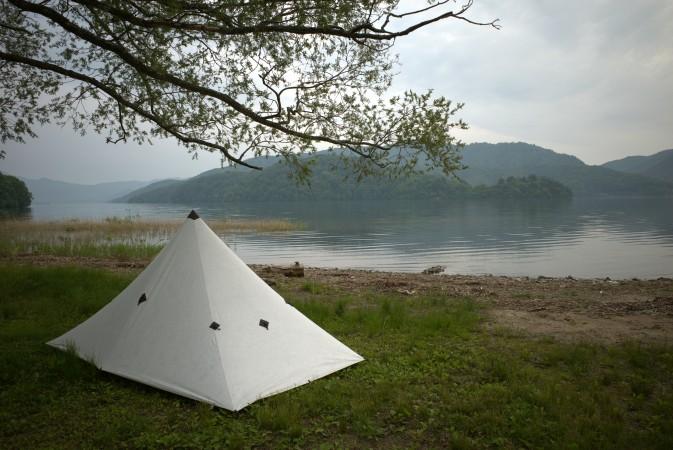
- Campgrounds and Outdoor Lodges: Perfect for nature lovers, these spots provide access to hiking trails, lakes, and national parks. A great way to enjoy Fukushima's great outdoors.
Des articles pour vous
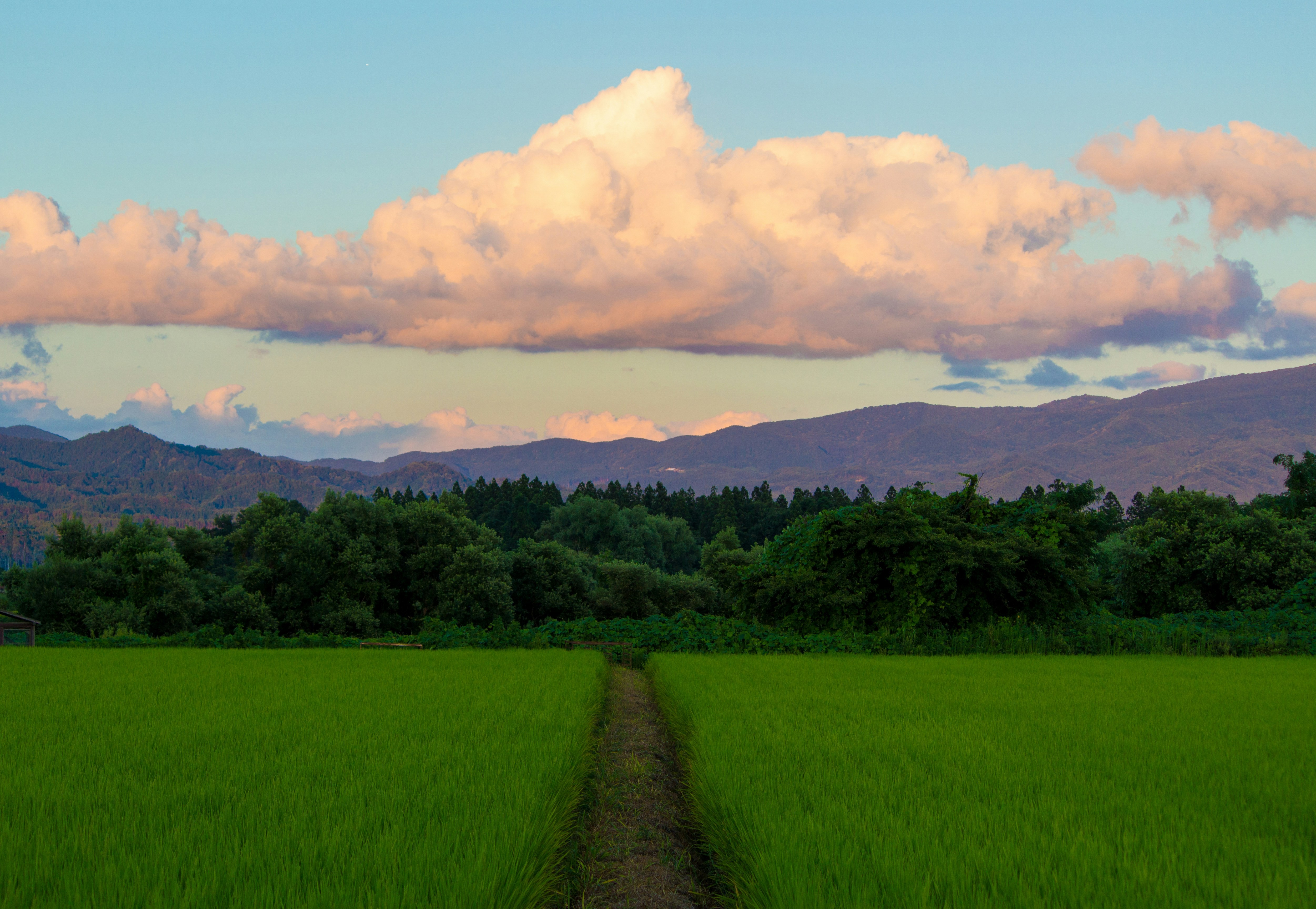
Explore Fukushima - Japan Travel, Asia
Nestled in Japan's scenic Tohoku region, Fukushima offers travelers a unique blend of historical charm, cultural richness, and natural beauty. Known for its stunning landscapes and welcoming communities, Fukushima is an excellent destination for those seeking an authentic Japanese experience beyond the bustling metropolises. Renowned for its diverse attractions, from ancient castles and hot springs to vibrant festivals and picturesque countryside, Fukushima offers a great opportunity for cultural and historical exploration for anyone who loves Japanese culture.
Population: Approximately 1.8 million in 2023.
Economy: Specializing in the seafood and fishing industries, Fukushima, with its historical impacts, now continues to thrive as one of the most developed and largest economies in Japan.
Landmarks: Famous for Aizu-Wakamatsu Castle, Fukushima City Historical Museum, and Ouchi-juku.

La symphonie saisonnière de l'Inde : Révéler les meilleurs moments pour explorer le sous-continent
Les traditions anciennes dansent avec les merveilles modernes dans une terre où les épices et l'encens embaument l'air, et chaque recoin cache une histoire prête à être découverte. L'Inde, vaste et diverse, se déploie comme un monde miniature en soi. Mais quand devriez-vous entreprendre ce voyage épique ? Rejoignez-nous pour un tourbillon à travers la tapisserie saisonnière de l'Inde et trouvez le moment parfait pour votre aventure.

Voyage culinaire à travers la Chine : Savourez les saveurs diversifiées
Des rives subtropicales de Canton aux steppes balayées par le vent du Xinjiang, le vaste paysage de la Chine est une tapisserie de saveurs, chaque région mettant en avant ses propres trésors culinaires. Avec plus de 2000 miles séparant les palais de dim sum du sud des étals de kebabs du nord-ouest, et des woks crépitants entre les deux, la diversité gastronomique de la Chine est véritablement inégalée. Alors, prenez vos baguettes et embarquez pour une aventure gourmande à travers les plats les plus délicieux du Royaume du Milieu !

Vivez l'expérience à bord du RV Indochine II - Une croisière sur le Mékong
Le RV Indochine II est un navire de croisière fluviale de luxe, offrant un voyage inoubliable à travers de nombreuses attractions le long du fleuve Mékong. Construit en 2017, ce vaisseau haut de gamme allie élégance coloniale et commodités modernes pour créer un environnement à la fois confortable et élégant pour son équipage et ses passagers. La taille intime du navire en fait le choix idéal pour ceux qui recherchent une expérience de croisière plus personnelle tout en explorant la culture, les paysages et le patrimoine riches du Vietnam et du Cambodge. Que vous admiriez le paysage depuis votre balcon privé ou que vous dégustiez une cuisine locale authentique, le RV Indochine II promet une aventure exotique hors du commun.

Assistez à la pêche sur pilotis au Sri Lanka
Le Sri Lanka, réputé pour ses plages magnifiques et son riche patrimoine culturel, abrite une tradition unique qui captive les voyageurs depuis des siècles : la pêche sur pilotis. Cette pratique ancienne, transmise de génération en génération au sein des communautés côtières, allie art et nécessité, offrant un aperçu d'un mode de vie intimement lié aux rythmes côtiers de l'île. La pêche sur pilotis au Sri Lanka n'est pas simplement un moyen de capturer des poissons ; c'est un emblème culturel, incarnant la résilience et l'ingéniosité des communautés de pêcheurs sri-lankaises.

À l'assaut des sommets : guide du randonneur de l'Himalaya
Lorsque les premiers rayons du soleil teintent les sommets enneigés de doré et de rose, vous êtes au seuil de l'aventure. Bienvenue dans l'Himalaya, où chaque pas est une immersion dans le plus grand spectacle de la nature. Avec Tweet World Travel comme guide, préparez-vous à un trek d’aventures, qui éveillera vos sens et vous transformera à jamais.
Suivez-nous