Explore Mirissa - Sri Lanka Travel, Asia
Mirissa is a charming coastal town on Sri Lanka’s southern shoreline. Known for its golden beaches, turquoise waters, and vibrant marine life, it has become a must-visit stop for travelers exploring the island. Many come for whale watching, surfing, and sunset views at Coconut Tree Hill, but Mirissa offers much more than postcard beauty. The fishing boats you see anchored by the bay carry generations of stories. Local traditions, delicious cuisine, and a laid-back rhythm of life shape every visitor’s experience.
Population: Approximately 4,700 in 2023.
Economy: Mirissa’s economy is largely shaped by its coastal location. Fishing has long been the backbone of local livelihoods, with generations relying on the Indian Ocean for income. In recent decades, tourism has become the main driver of growth, thanks to whale watching, surfing, and beachside hospitality.
Landmarks: Famous for Mirissa Beach, Coconut Tree Hill, and Parrot Rock Bridge.
Sri Lanka
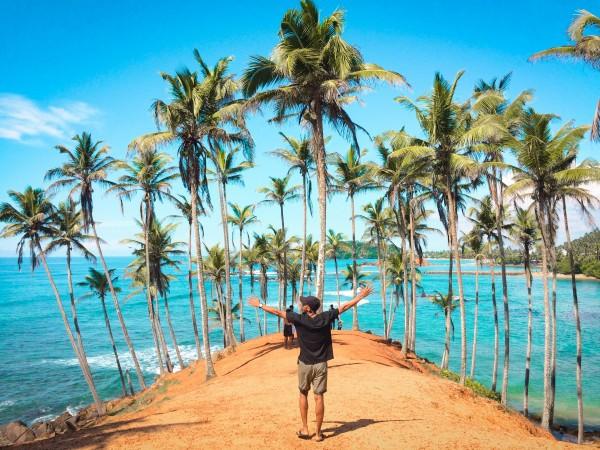
Overview of Mirissa
History & Cultural Influence
Mirissa’s history is deeply tied to the sea. For centuries, this coastal stretch was home to fishing communities who relied on the Indian Ocean for trade and livelihood. Over time, the Portuguese, Dutch, and British left their mark along Sri Lanka’s southern coast, influencing local architecture, trade, and culture.
Despite these colonial layers, Mirissa’s identity remains distinctly Sri Lankan. Buddhism plays an important role, with temples scattered around the region that reflect devotion and tradition. Fishermen continue to practice age-old techniques, and local folklore often echoes stories of the sea. Today, this blend of maritime heritage and colonial history creates a unique cultural backdrop.
Interaction with The Locals
One of the most rewarding parts of visiting Mirissa is meeting its people. The locals are known for their warmth and hospitality, always ready to share a smile or a story. Travelers often interact with fishermen returning from the sea, artisans selling handmade crafts, and vendors at bustling markets offering spices, fruits, and seafood. Another way to experience the culture more deeply is to stay in a family-run guesthouse or homestay. Guests often join in preparing traditional meals, learn about local customs, and even take part in community gatherings.
Top Attractions in Mirissa
Mirissa Beach
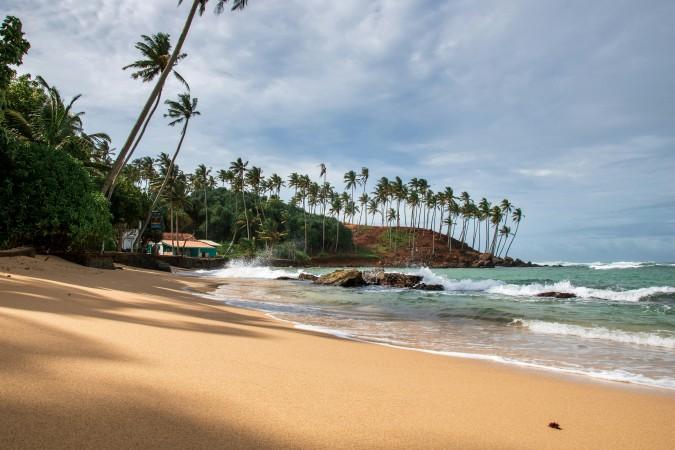
This golden stretch of sand is the heart of Mirissa. Perfect for sunbathing, swimming, and surfing, it’s where most visitors begin their journey. Palm trees frame the shoreline, while beachside cafés serve fresh seafood and tropical drinks. The sunsets here are famous, painting the sky with hues of orange and pink.
Coconut Tree Hill
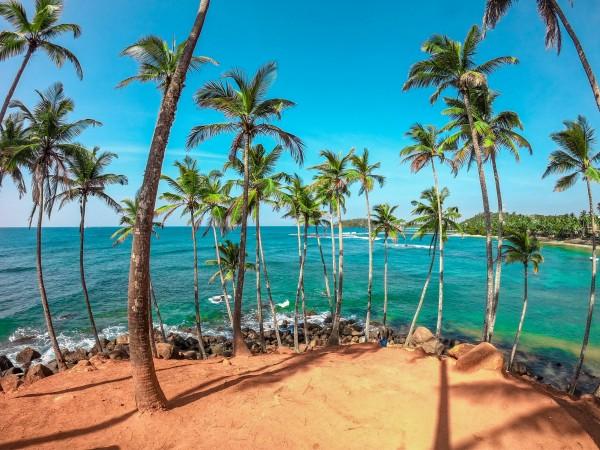
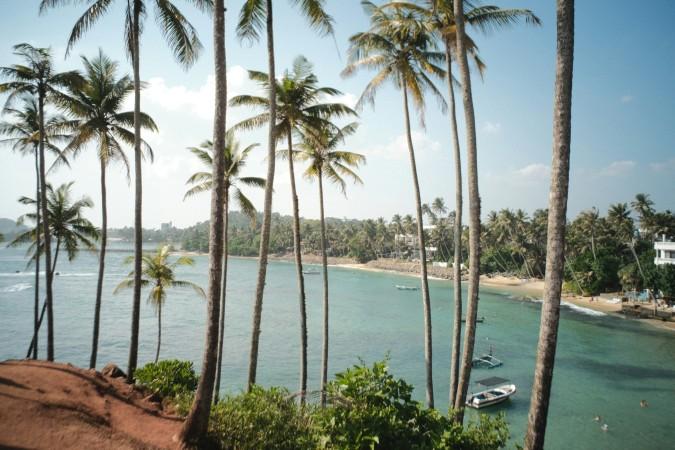
One of Mirissa’s most photographed spots, Coconut Tree Hill is a small headland dotted with swaying palms. The viewpoint offers sweeping views of the Indian Ocean, especially at sunrise or sunset. It’s a favorite for photographers, couples, and anyone looking for that iconic Sri Lanka moment.
Parrot Rock Bridge
Accessible by a short walk across the beach during low tide, Parrot Rock is a natural outcrop that provides 360-degree views of Mirissa’s coastline. It’s a simple climb but a rewarding one, perfect for those seeking a quiet perspective away from the crowds.
Whale Watching Tours
Mirissa is often called the whale watching capital of Sri Lanka. Between November and April, boats set off daily into deep waters where travelers can spot blue whales, sperm whales, and pods of dolphins. This marine safari is one of the most thrilling experiences on the island.
Must-Try Dishes in Mirissa
- Seafood Curry: Mirissa is a fishing town, so seafood takes center stage. Prawns, crab, tuna, or cuttlefish are simmered in a fragrant curry with coconut milk and spices. The flavor is rich yet balanced, capturing the essence of coastal Sri Lanka.
- Hoppers (Appam): These bowl-shaped pancakes, made with fermented rice flour and coconut milk, are a local favorite. Crispy around the edges and soft in the middle, they are often enjoyed with dhal curry or a spicy sambol. Egg hoppers, with an egg cooked in the center, are especially popular for breakfast.
- Kottu Roti: The sound of metal blades clashing on a hotplate announces this famous Sri Lankan street food. Kottu is made by stir-frying chopped flatbread with vegetables, eggs, or meat, seasoned with aromatic spices. It’s hearty, flavorful, and best enjoyed late in the evening.
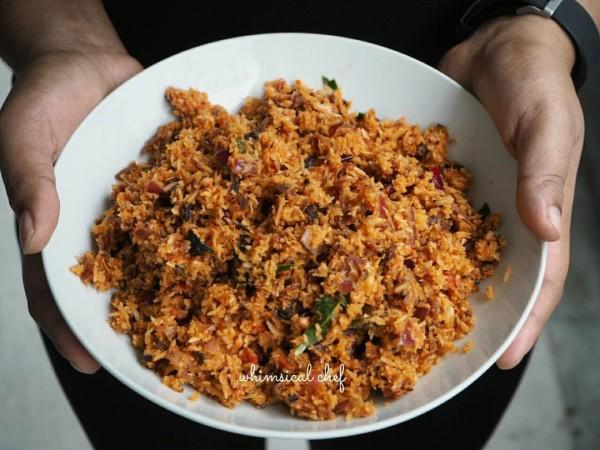
- Pol Sambol: A staple side dish, pol sambol is made from freshly grated coconut, chili, lime, and onions. It adds a fiery kick to rice and curry meals, balancing spice with tangy freshness.
- String Hoppers with Curry: Known locally as idiyappam, these steamed rice flour noodles are soft and delicate. They are usually paired with coconut-based curries or dhal, making for a light yet satisfying meal.
- Tropical Fruits & Refreshments: Don’t miss Sri Lanka’s abundance of tropical fruits—mango, papaya, and rambutan are refreshing after a hot day at the beach. Wash it down with a fresh king coconut, cracked open and served chilled.
Festivals & Local Celebrations
Sinhala and Tamil New Year (Avurudu)
Celebrated in April, the Sinhala and Tamil New Year marks the beginning of the harvest season. In Mirissa, families gather to cook sweetmeats, light oil lamps, and play traditional games. Streets fill with the sound of drums and the smell of freshly prepared kiribath (milk rice). For travelers, it’s a unique chance to join in the festivities and experience genuine Sri Lankan hospitality.
Vesak Festival
Held in May, Vesak commemorates the birth, enlightenment, and passing of the Buddha. Villages near Mirissa glow with paper lanterns, light displays, and processions. Local temples organize almsgiving stalls, offering food and drinks to everyone. It’s a spiritual and visual celebration that brings communities together in peace and joy.
Fishing and Temple Festivals
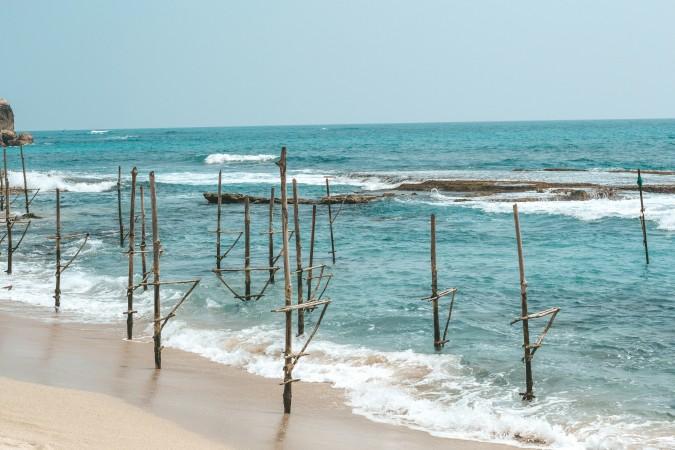
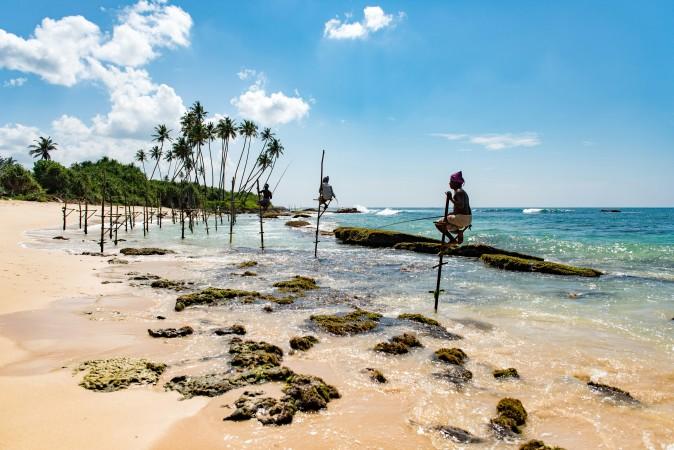
Being a coastal town, Mirissa also celebrates its connection to the sea. Fishing festivals bless the boats and nets before the season begins. Local temples host annual peraheras, parades featuring drummers, dancers, and decorated elephants, that showcase devotion and artistry.
What to Do in Mirissa
- Whale and Dolphin Watching: Mirissa is world-famous for whale watching. From November to April, boats take travelers offshore to spot blue whales, sperm whales, and playful dolphins. It’s a breathtaking experience that makes Mirissa a top destination for marine lovers.
- Surfing and Water Sports: Mirissa Beach has waves suitable for both beginners and intermediate surfers. Surf schools along the shore provide lessons and board rentals. For more variety, nearby Weligama Bay is one of Sri Lanka’s most popular surf spots. Snorkeling and scuba diving are also available, offering glimpses of coral reefs and colorful fish.
- Yoga and Wellness Retreats: For those seeking inner balance, Mirissa has yoga studios and wellness centers where visitors can join daily classes or week-long retreats. Meditation sessions and Ayurveda treatments complement the laid-back coastal vibe.
- Adventure and Exploration: Renting a scooter or bicycle lets you explore nearby villages, rice paddies, and hidden coves. Boat trips for deep-sea fishing are also popular. For a slower pace, simply enjoy beach walks or catch the stunning sunrise at Coconut Tree Hill.
Shopping in Mirissa
- Beachfront Shops: Along the beach, small stalls and boutiques sell souvenirs like seashell crafts, sarongs, and handmade jewelry. Many items are made by local artisans, making them meaningful keepsakes.
- Local Markets: Visiting local markets in Mirissa or nearby Matara is a sensory delight. You’ll find fragrant spices, handwoven batik textiles, wooden carvings, and Ceylon tea, the perfect gifts to take home.
- Boutique Stores: Some boutique stores in Mirissa focus on sustainable fashion and eco-friendly products. These include organic cotton clothing, bamboo products, and upcycled handicrafts that support local communities.
Weather in Mirissa: Best Time to Visit
Overall Climate
Temperatures in Mirissa remain fairly consistent throughout the year, typically ranging between 26°C to 32°C (79°F to 90°F). Sea temperatures stay warm, averaging around 28°C (82°F)—great for swimming and snorkeling. From May to October, Mirissa experiences the southwest monsoon, bringing occasional heavy rains, rough seas, and high humidity. While the lush greenery is at its most vibrant during this time, sea-based activities like surfing and boat tours may be limited.
Best Time to Visit
The best time to visit Mirissa is between November and April. During these months, the weather is dry and sunny, the sea is calm, and the skies are clear, perfect for beach activities, whale watching, and outdoor adventures.
Essential Travel Information
Getting Around Mirissa
- Tuk-Tuks: The most common way to travel short distances in Mirissa. They’re affordable, quick, and offer a fun local experience.
- Scooter Rentals: Renting a scooter is popular with travelers who want the freedom to explore hidden beaches and nearby villages.
- Walking: Many of Mirissa’s attractions, shops, and restaurants are within walking distance along the main beach road.
- By Train: Scenic trains run from Colombo to Matara, passing through Galle, with beautiful coastal views. From Matara, Mirissa is just a short tuk-tuk ride away.
ATM & Banking Services
There are a few ATMs in Mirissa town that accept international cards (Visa, MasterCard). For broader access, nearby Matara and Weligama have more machines. While some hotels and travel agencies offer currency exchange, better rates are usually found at banks in Matara or Galle. Carrying small denominations is helpful for tuk-tuks, markets, and beach cafés.
Where to Stay in Mirissa
- Luxury Resorts: For those seeking comfort, beachfront resorts provide infinity pools, spa treatments, and ocean-view suites. Many include private access to the beach and curated dining experiences.
- Mid-Range Hotels and Villas: Boutique hotels and guest villas offer cozy stays with stylish interiors and personalized service. These are great for couples or small groups looking for a balance of comfort and affordability.
- Homestays and Eco-Lodges: Staying with a local family provides an authentic cultural exchange. Eco-lodges, often built with sustainable materials, let travelers enjoy Mirissa’s beauty while minimizing environmental impact.
Articles for you
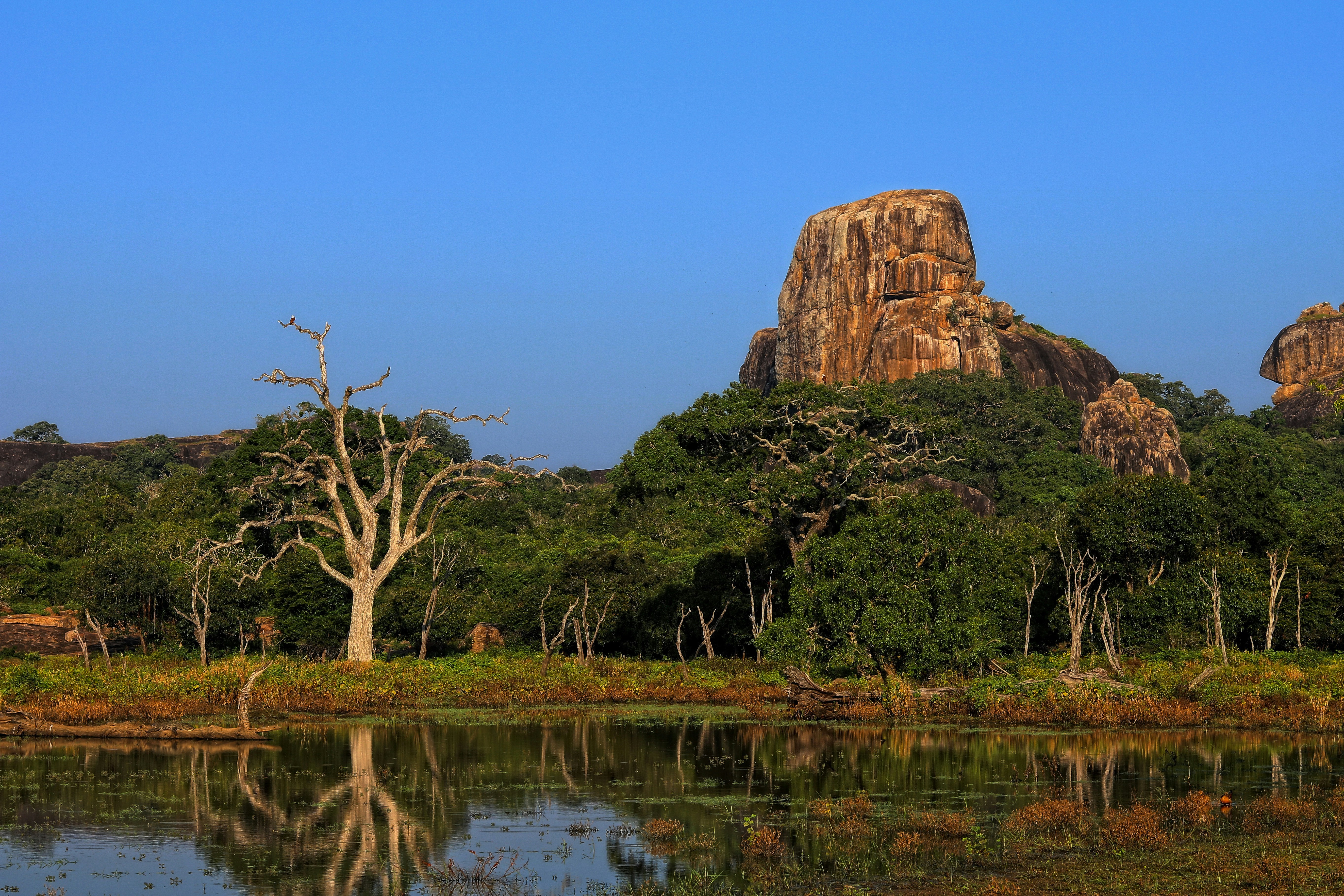
Explore Yala National Park - Sri Lanka Travel, Asia
Tucked away in Sri Lanka’s southeastern corner, Yala National Park is where wild nature meets deep tradition. Known worldwide for its leopard population, the park is also home to elephants, sloth bears, crocodiles, and hundreds of bird species. Beyond wildlife, Yala opens doors to a cultural landscape dotted with ancient temples, Buddhist ruins, and coastal villages. For travelers seeking more than just a safari, Yala offers a chance to explore eco-tourism, local communities, and sacred heritage sites.
Population: The Yala National Park area doesn’t have a human population.
Economy: The economy around Yala National Park thrives on a blend of eco-tourism, agriculture, and local services. Safari tours, eco-lodges, and cultural experiences drive steady income for nearby towns like Tissamaharama and Kataragama, supporting thousands of families.
Landmarks: Famous for Block I of Yala and wildlife encounters, including elephants, sloth bears, crocodiles, and exotic bird species.
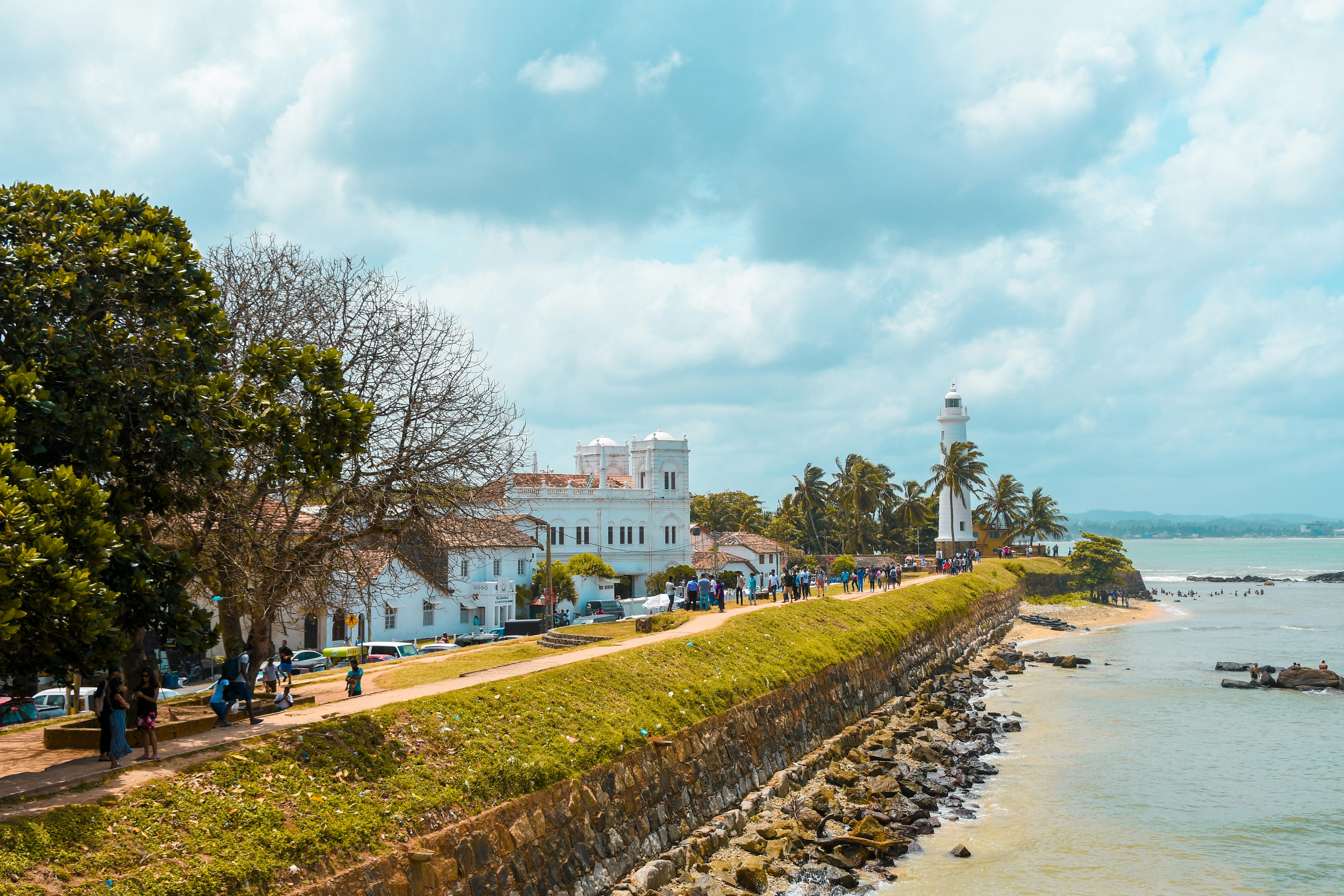
Explore Galle - Sri Lanka Travel, Asia
Nestled on Sri Lanka’s southern coastline, Galle is a vibrant city where history meets the sea. Its cobbled streets, colonial architecture, and serene beaches make it a must-visit destination for travelers seeking a blend of culture, adventure, and relaxation. A UNESCO World Heritage site, Galle captivates visitors with its Dutch Fort, bustling markets, and friendly locals. Whether you’re exploring the ramparts at sunset or savoring fresh seafood by the shore, Galle promises an unforgettable journey into Sri Lanka’s heritage.
Population: Approximately 113,000 in 2023.
Economy: Galle’s economy thrives on tourism, trade, and fisheries. The city’s historic fort, colonial architecture, and coastal charm draw thousands of international visitors each year, making tourism its main economic driver. Fishing remains vital for local livelihoods, supplying fresh seafood across the region.
Landmarks: Famous for the Galle Fort, Dutch Reformed Church & Maritime Museum, and Unawatuna Beach.
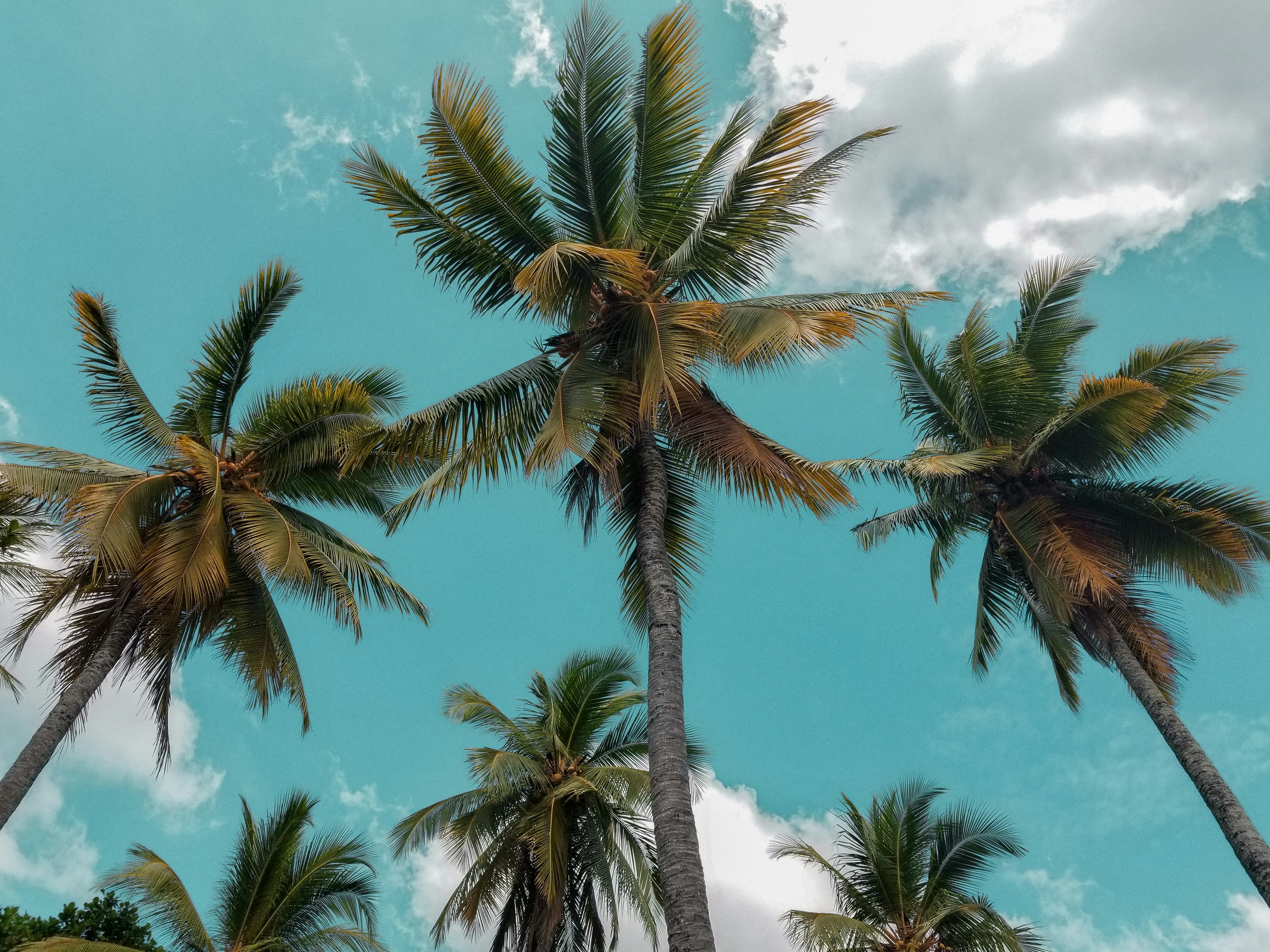
Explore Bentota - Sri Lanka Travel, Asia
Nestled along Sri Lanka’s southwestern coast, Bentota is a tropical paradise that blends golden beaches, vibrant culture, and thrilling adventures. Famous for its calm waters, luxury resorts, and scenic river estuary, Bentota has become a top destination for travelers seeking both relaxation and authentic experiences. From serene beach walks at sunrise to adrenaline-pumping water sports, this coastal town offers a perfect balance of leisure and exploration. With its proximity to Colombo and Galle, Bentota is easy to reach, making it an ideal stop for both short escapes and extended holidays.
Population: Approximately 37,000 in 2023.
Economy: Bentota’s economy thrives mainly on tourism, which drives local businesses such as hotels, restaurants, and wellness retreats. The town also benefits from fishing, coconut cultivation, and handicrafts like wood carving and batik textiles. Many residents rely on the growing demand for water sports and Ayurvedic treatments, making tourism the backbone of both income and employment in the area.
Landmarks: Famous for Bentota Beach, Bentota River Safari, and Kande Vihara Temple.
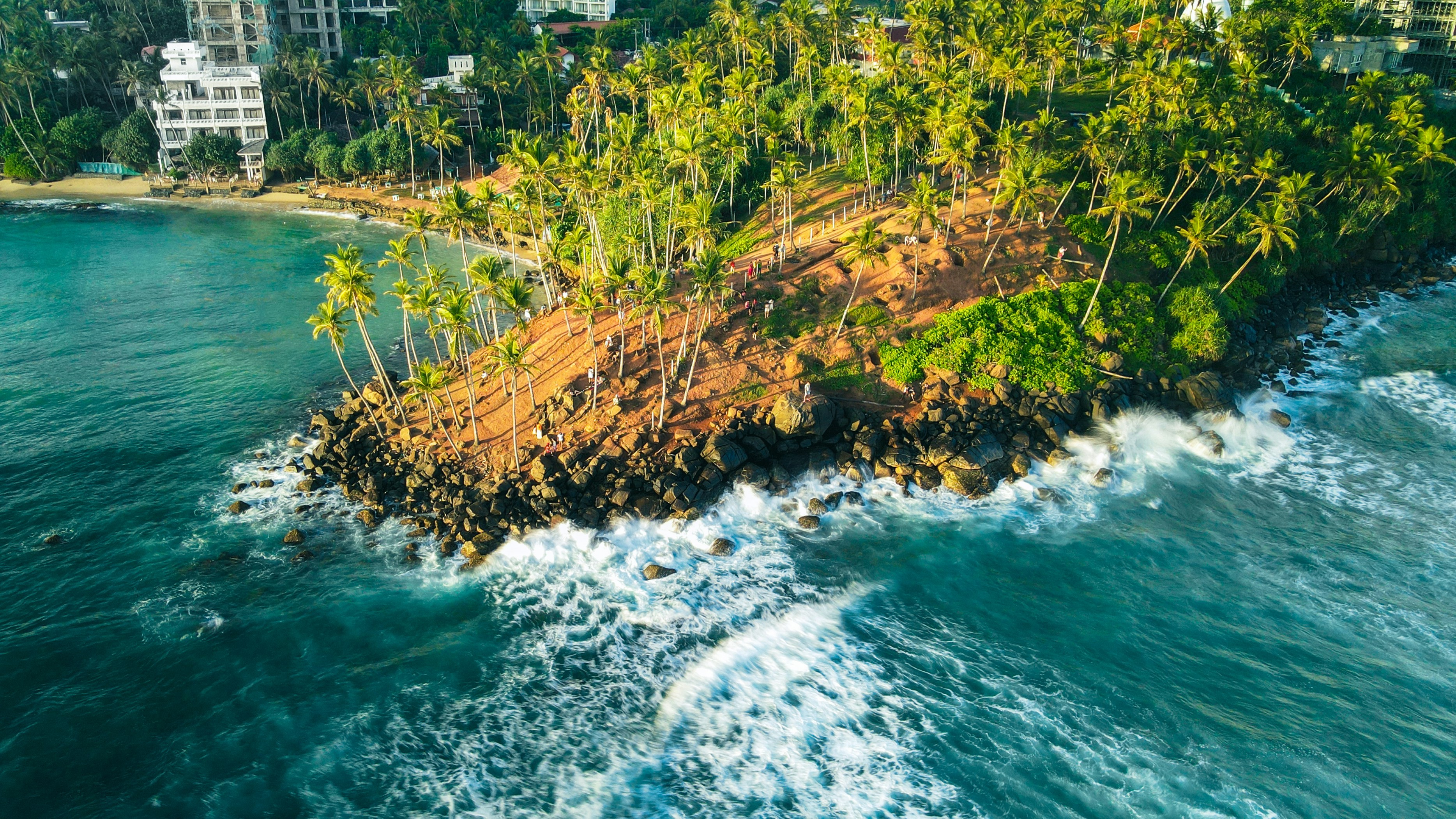
Explore Mirissa - Sri Lanka Travel, Asia
Mirissa is a charming coastal town on Sri Lanka’s southern shoreline. Known for its golden beaches, turquoise waters, and vibrant marine life, it has become a must-visit stop for travelers exploring the island. Many come for whale watching, surfing, and sunset views at Coconut Tree Hill, but Mirissa offers much more than postcard beauty. The fishing boats you see anchored by the bay carry generations of stories. Local traditions, delicious cuisine, and a laid-back rhythm of life shape every visitor’s experience.
Population: Approximately 4,700 in 2023.
Economy: Mirissa’s economy is largely shaped by its coastal location. Fishing has long been the backbone of local livelihoods, with generations relying on the Indian Ocean for income. In recent decades, tourism has become the main driver of growth, thanks to whale watching, surfing, and beachside hospitality.
Landmarks: Famous for Mirissa Beach, Coconut Tree Hill, and Parrot Rock Bridge.
Explore Nuwara Eliya - Sri Lanka Travel, Asia
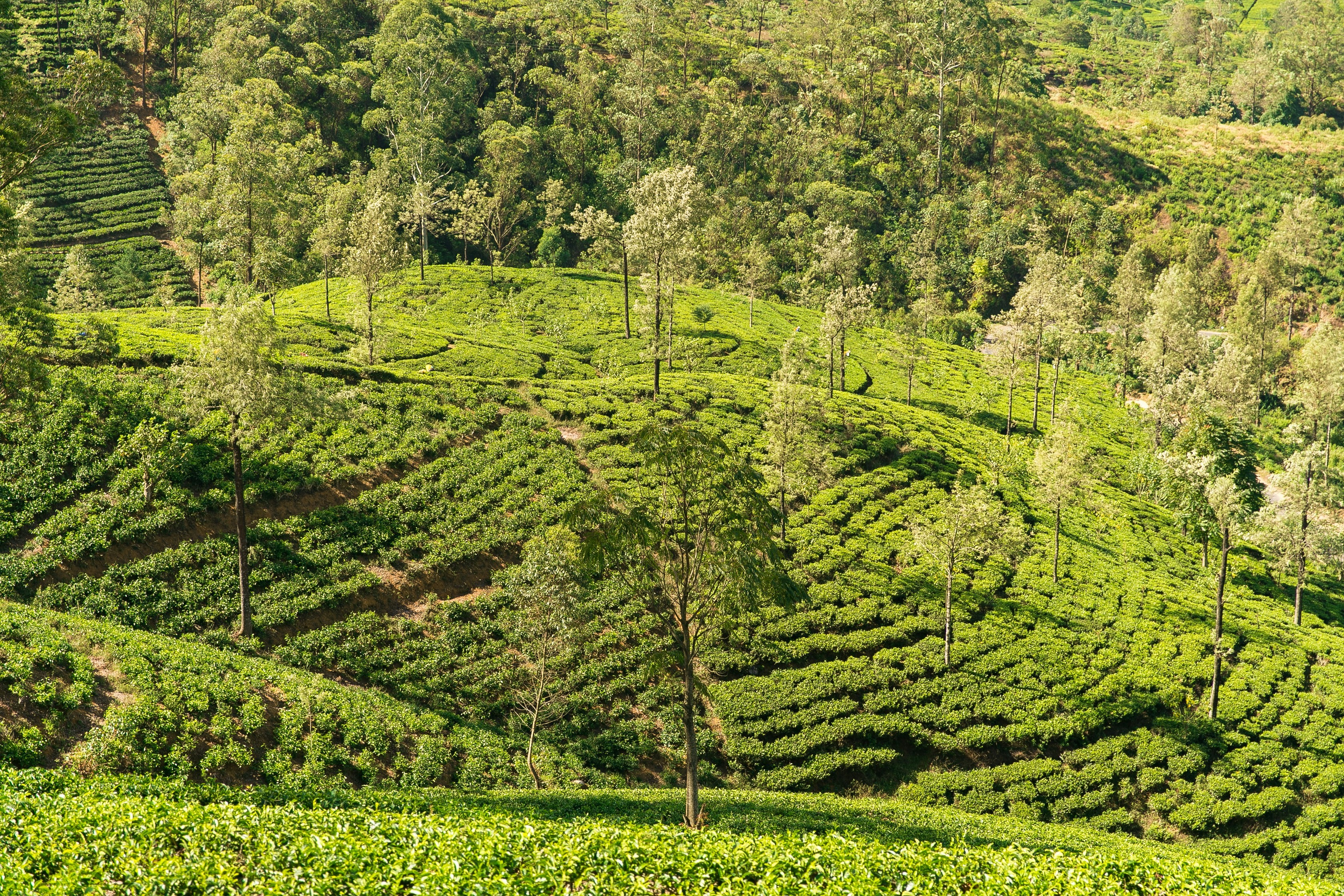
Tucked away in the Central Highlands of Sri Lanka, Nuwara Eliya is often called “Little England”. With its rolling tea plantations, cool misty mornings, and colonial charm, this mountain town feels like a step into another world. Travelers come here to breathe fresh air, walk through flower gardens, sip the finest Ceylon Tea, and enjoy a pace of life far from the island’s busy cities. Whether you’re drawn by scenic landscapes, heritage architecture, or the warmth of its people, Nuwara Eliya is a destination that blends nature, culture, and history in perfect harmony.
Population: Approximately 781,000 in 2023.
Economy: Nuwara Eliya’s economy thrives mainly on tea production, as it sits in the heart of Sri Lanka’s central highlands, famous worldwide for Ceylon Tea. The city also benefits from a growing tourism industry, attracting visitors with its colonial charm, cool climate, and scenic landscapes.
Landmarks: Famous for Gregory Lake, Hakgala Botanical Garden, and Victoria Park.
Explore Sukau - Malaysia Travel, Asia
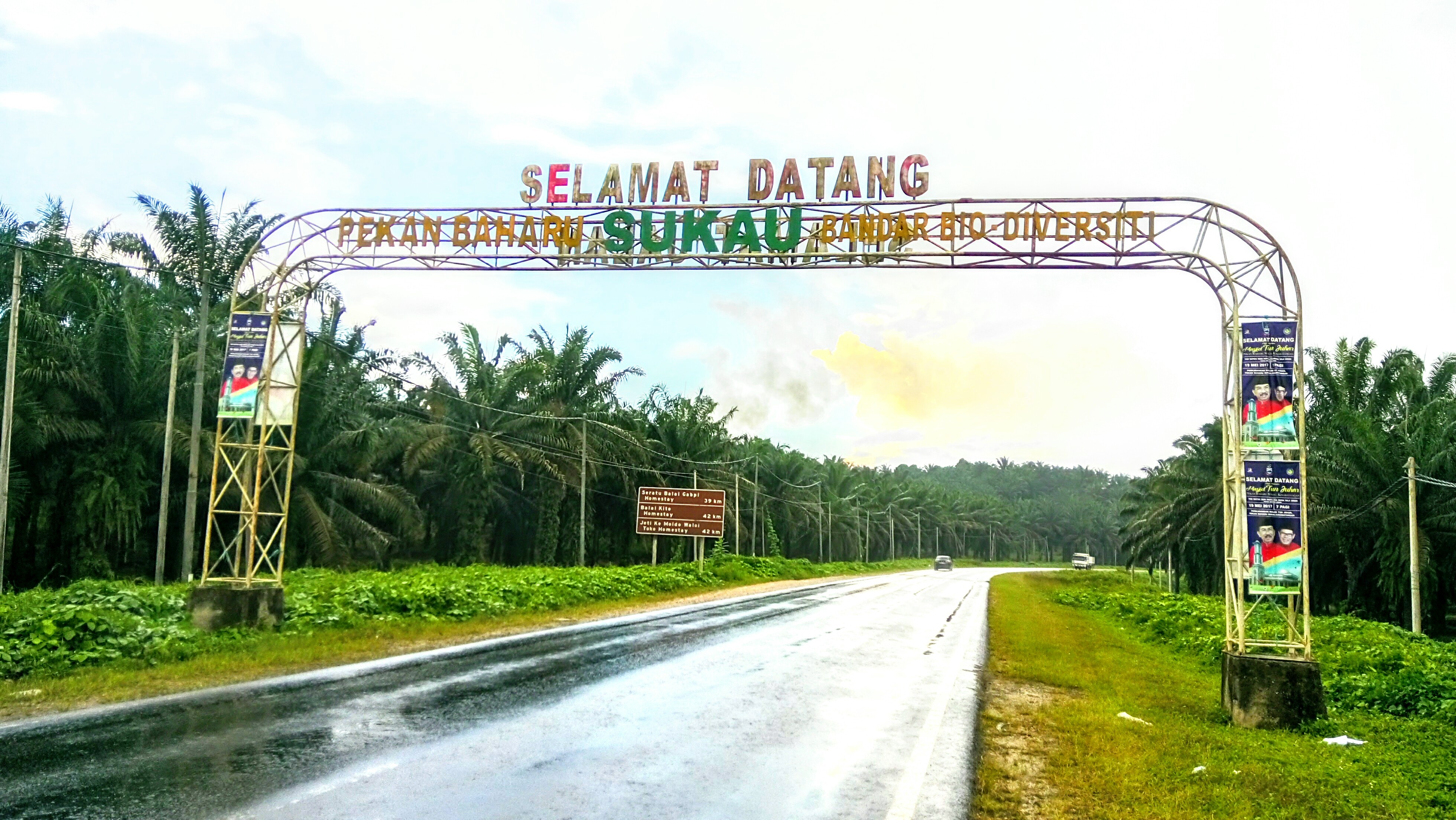
Nestled on the banks of the Kinabatangan River in Sabah, Malaysian Borneo, Sukau is a destination where wildlife, culture, and conservation come together. Known as one of Asia’s top spots for river safaris and eco-tourism, this quiet village offers a front-row seat to encounters with Bornean orangutans, pygmy elephants, proboscis monkeys, and exotic birdlife.
Population: Approximately 1,400 in 2019.
Economy: Sukau’s economy is shaped by its riverine location and natural resources. Traditionally, the Orang Sungai community relied on fishing, small-scale farming, and forest gathering for their livelihood. Today, the village has shifted toward eco-tourism, with river cruises, jungle trekking, and homestays providing income.
Landmarks: Famous for the Kinabatangan River cruises, Gomantong Caves, and Ox-bow lakes and wetlands.
Follow Us