Explore Galle - Sri Lanka Travel, Asia
Nestled on Sri Lanka’s southern coastline, Galle is a vibrant city where history meets the sea. Its cobbled streets, colonial architecture, and serene beaches make it a must-visit destination for travelers seeking a blend of culture, adventure, and relaxation. A UNESCO World Heritage site, Galle captivates visitors with its Dutch Fort, bustling markets, and friendly locals. Whether you’re exploring the ramparts at sunset or savoring fresh seafood by the shore, Galle promises an unforgettable journey into Sri Lanka’s heritage.
Population: Approximately 113,000 in 2023.
Economy: Galle’s economy thrives on tourism, trade, and fisheries. The city’s historic fort, colonial architecture, and coastal charm draw thousands of international visitors each year, making tourism its main economic driver. Fishing remains vital for local livelihoods, supplying fresh seafood across the region.
Landmarks: Famous for the Galle Fort, Dutch Reformed Church & Maritime Museum, and Unawatuna Beach.
Sri Lanka
Overview of Galle
History & Cultural Influence
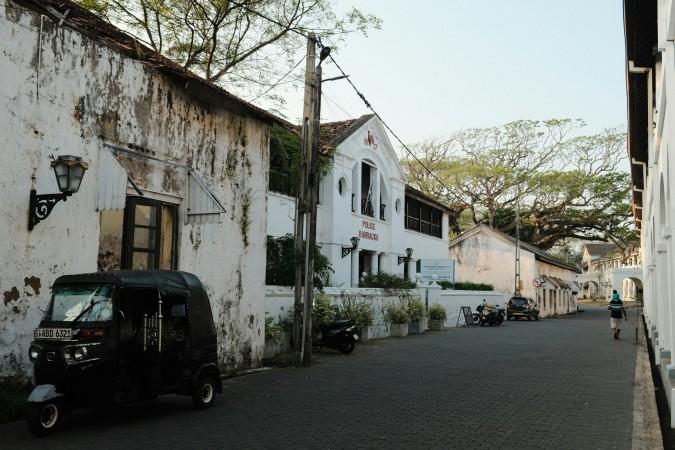
Galle’s story is etched in stone. Originally a small fishing village, it grew into a strategic port under Portuguese, Dutch, and later British rule. The iconic Galle Fort, built by the Portuguese and fortified by the Dutch in the 17th century, stands as a living museum of colonial architecture. Its walls, lighthouses, and narrow streets echo centuries of trade, conquest, and cultural fusion.
Beyond the fort, Galle reflects Sri Lanka’s diverse spiritual tapestry. Temples, churches, and mosques coexist harmoniously, offering glimpses into the island’s Buddhist, Christian, and Islamic traditions.
Interaction with The Locals
Meeting the people of Galle adds depth to your travel experience. Locals are warm, hospitable, and proud of their heritage. Wander through street markets to chat with artisans crafting jewelry, batik textiles, or hand-carved souvenirs. Join a cooking class to learn the secrets of Sri Lankan curry, hoppers, and seafood dishes, guided by friendly chefs who share stories of family traditions.
Small cafés and tea shops near the fort invite visitors to slow down, sip Ceylon tea, and engage in meaningful conversations. Participating in local festivals or volunteering for cultural workshops allows travelers to immerse themselves fully in Galle’s rhythm, gaining insights beyond the usual tourist path.
Top Attractions in Galle
Galle Fort
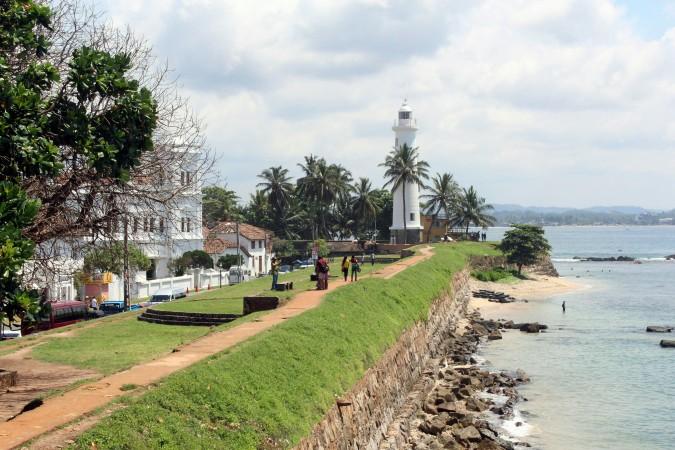
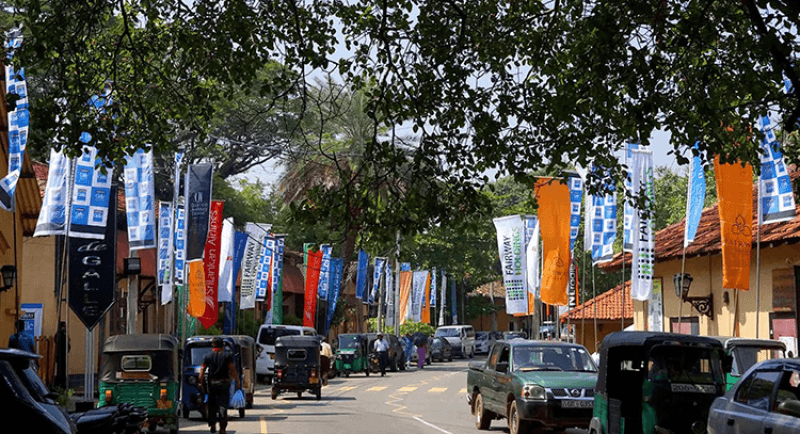
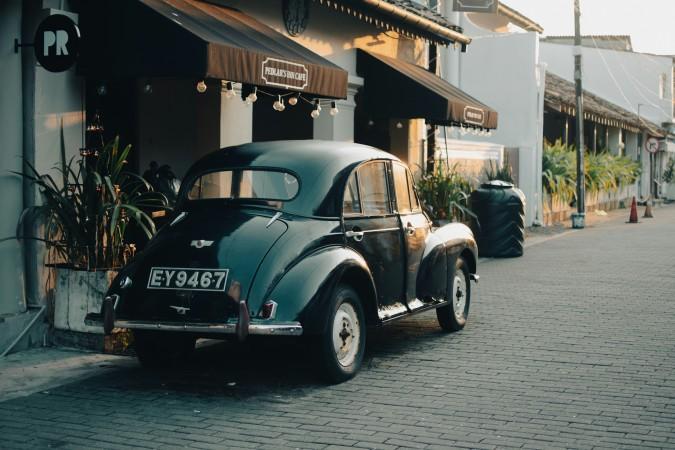
The heart of the city, Galle Fort, is a UNESCO World Heritage site and a living monument to Dutch colonial ingenuity. Walk along the fort’s ramparts for panoramic views of the Indian Ocean, watch fishermen cast their nets, and admire centuries-old churches, lighthouses, and colonial mansions. Every corner tells a story, from cobbled streets lined with boutique shops to quaint cafés offering local delicacies.
Lighthouses and Ramparts
Galle’s iconic lighthouse, built in 1939, stands tall at the southern tip of the fort. The ramparts surrounding the fort provide the perfect sunset vantage point, where the golden light reflects off the ocean and historic walls, offering picture-perfect moments.
Dutch Reformed Church & Maritime Museum
History enthusiasts will appreciate the Dutch Reformed Church, with its 18th-century architecture and ancient tombstones. Nearby, the National Maritime Museum showcases Galle’s naval history, maritime trade, and colonial connections, making it an enriching stop for families and solo travelers alike.
Beaches & Natural Attractions
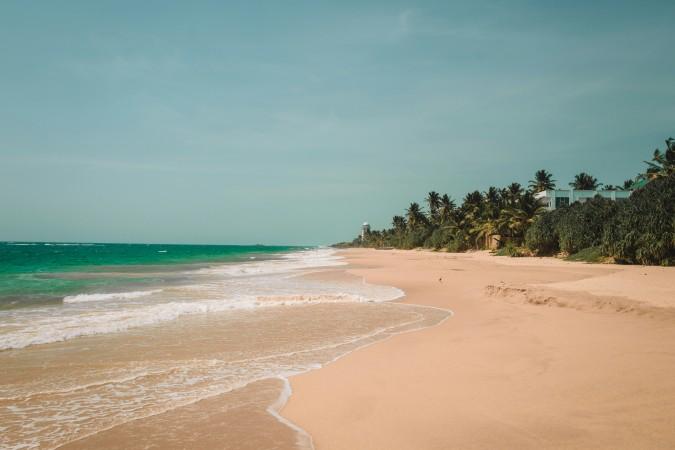
Galle’s coastline offers some of Sri Lanka’s most inviting beaches. Unawatuna Beach is famous for its golden sands, calm waters, and snorkeling opportunities. Jungle Beach, hidden amidst lush greenery, provides a tranquil escape for those seeking solitude. Adventure seekers can enjoy surfing in nearby Hikkaduwa or explore coral reefs teeming with marine life.
Must-Try Dishes in Galle
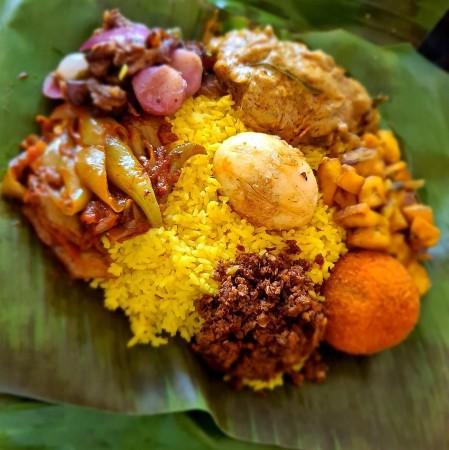
- Seafood Specialties: Being a coastal city, Galle is renowned for its fresh seafood. Don’t miss the king prawns cooked in spicy coconut curry, crab curry, or grilled lagoon fish, often served with rice and sambol. Devilled fish or prawns, stir-fried with chili, garlic, and spices, is a local favorite, perfect for those who love bold flavors.
- Hoppers (appa): Bowl-shaped pancakes made from fermented rice flour, served with spicy chutneys or sweet coconut milk.
- Kottu roti: Stir-fried mix of chopped roti, vegetables, eggs, and optional meat.
- Pol sambol: Spicy coconut relish that adds zest to any meal.
- Lamprais: Dutch-influenced dish featuring rice, meat, and vegetables wrapped in banana leaves, slow-cooked for rich flavor.
- String hoppers (idiyappam): Steamed rice noodles, often served with coconut milk or curry.
- Watalappan: A rich coconut and jaggery pudding flavored with cardamom. Cafés often serve Ceylon tea and fresh tropical fruit platters, perfect for a light afternoon refreshment while exploring the historic streets.
Festivals & Local Celebrations
Galle Literary Festival
One of the highlights of the year, the Galle Literary Festival attracts writers, thinkers, and travelers from around the world. Held annually within the historic fort, the festival features book launches, panel discussions, and workshops, making it a hub for cultural exchange and intellectual exploration.
Buddhist & Hindu Celebrations
Galle’s spiritual diversity is evident in its festivals:
- Vesak: Celebrated in May, Vesak marks the birth, enlightenment, and death of Buddha with illuminated lanterns, colorful decorations, and religious observances.
- Thai Pongal: A harvest festival celebrated by the Tamil community, featuring traditional rituals, music, and festive foods.
- Poson Festival: Commemorating the arrival of Buddhism in Sri Lanka, marked by processions, temple offerings, and meditation sessions.
Dutch Fort & Coastal Festivities
The colonial heart of the city hosts smaller but equally charming events. Street performances, art exhibitions, and music festivals often take place along the fort’s ramparts and plazas. During these occasions, visitors can enjoy traditional dances, local culinary treats, and craft displays.
What to Do in Galle
- Exploring Galle Fort: Walking tours of Galle Fort reveal hidden courtyards, colonial architecture, and panoramic views of the Indian Ocean. Guided tours highlight historical landmarks, including churches, lighthouses, and heritage homes, while storytelling brings the city’s rich past to life.
- Beach & Water Activities: Snorkeling and diving in Unawatuna or Jungle Beach to explore vibrant coral reefs. Surfing at Hikkaduwa and Dalawella for all skill levels. Boat rides and whale-watching excursions to spot dolphins and blue whales along the southern coast.
- Cultural & Culinary Experiences: Cooking classes allow travelers to master Sri Lankan dishes like hoppers, kottu roti, and coconut sambol. Artisan workshops include batik-making, jewelry crafting, and pottery sessions. Cycling tours through scenic villages and paddy fields showcase rural life beyond the fort.
Shopping in Galle
- Markets & Local Shops: Galle Fort boutiques sell handmade jewelry, gemstones, batik textiles, and antiques. Local markets feature fresh tropical fruits, spices, and artisanal crafts that reflect Sri Lankan traditions.
- Art Galleries & Souvenirs: Small art galleries within the fort showcase local painters, sculptors, and photographers. Souvenirs like hand-carved wooden masks, coconut shell crafts, and traditional jewelry make for memorable gifts.
- Café Shopping Experience: Many cafés double as artisanal shops, where visitors can enjoy a cup of Ceylon tea while browsing handmade crafts or sampling local jams, chocolates, and spices.
Weather in Galle: Best Time to Visit
Overall Climate
The city experiences warm temperatures throughout the year, with averages ranging from 26°C to 32°C (79°F to 90°F). Humidity is high, especially along the coast, creating the quintessential tropical atmosphere.
Seasons & Best Time to Visit
- Dry Season (December to March): Ideal for beach activities, sightseeing, and outdoor adventures. Calm seas make it perfect for snorkeling, diving, and whale watching.
- Southwest Monsoon (May to September): Brings intermittent rains, particularly along the southern coast. It’s less crowded, offering a more peaceful exploration of Galle Fort and the surrounding villages.
- Inter-monsoon Periods (October to November): Short bursts of rain with warm sunny days; still suitable for sightseeing and cultural tours.
Essential Travel Information
Getting Around Galle
- Tuk-tuks: Quick and flexible for short distances within the city and fort. Negotiate fares before starting.
- Buses: Affordable and reliable for travel between Galle and nearby towns or beaches.
- Taxis & Ride-Hailing Apps: Comfortable and convenient for longer distances or private tours.
- Bicycles & Walking: Cycling tours provide a scenic and eco-friendly way to explore the fort, beaches, and nearby villages. Walking through Galle Fort allows an immersive experience of historical streets, shops, and cafés.
ATM & Banking Services
ATMs are widely available throughout Galle Fort, major streets, and near popular beaches like Unawatuna and Jungle Beach. Most ATMs accept international debit and credit cards, offering cash withdrawals in Sri Lankan Rupees (LKR). Credit and debit cards are widely accepted in hotels, restaurants, and boutiques, but carry cash for small purchases and local markets.
Where to Stay in Galle
- Luxury Hotels: Elegant stays within Galle Fort provide colonial charm, ocean views, and modern amenities. Beachfront resorts in Unawatuna and Jungle Beach offer spa services, swimming pools, and fine dining.
- Mid-Range & Boutique Hotels: Boutique hotels in the fort combine heritage architecture with contemporary comforts. Family-run guesthouses offer personalized hospitality and local culinary experiences.
- Homestays: Affordable guesthouses and homestays are available for backpackers and budget travelers. Staying with local families provides cultural immersion and insider tips on exploring the city.
Articles for you
Explore Yala National Park - Sri Lanka Travel, Asia
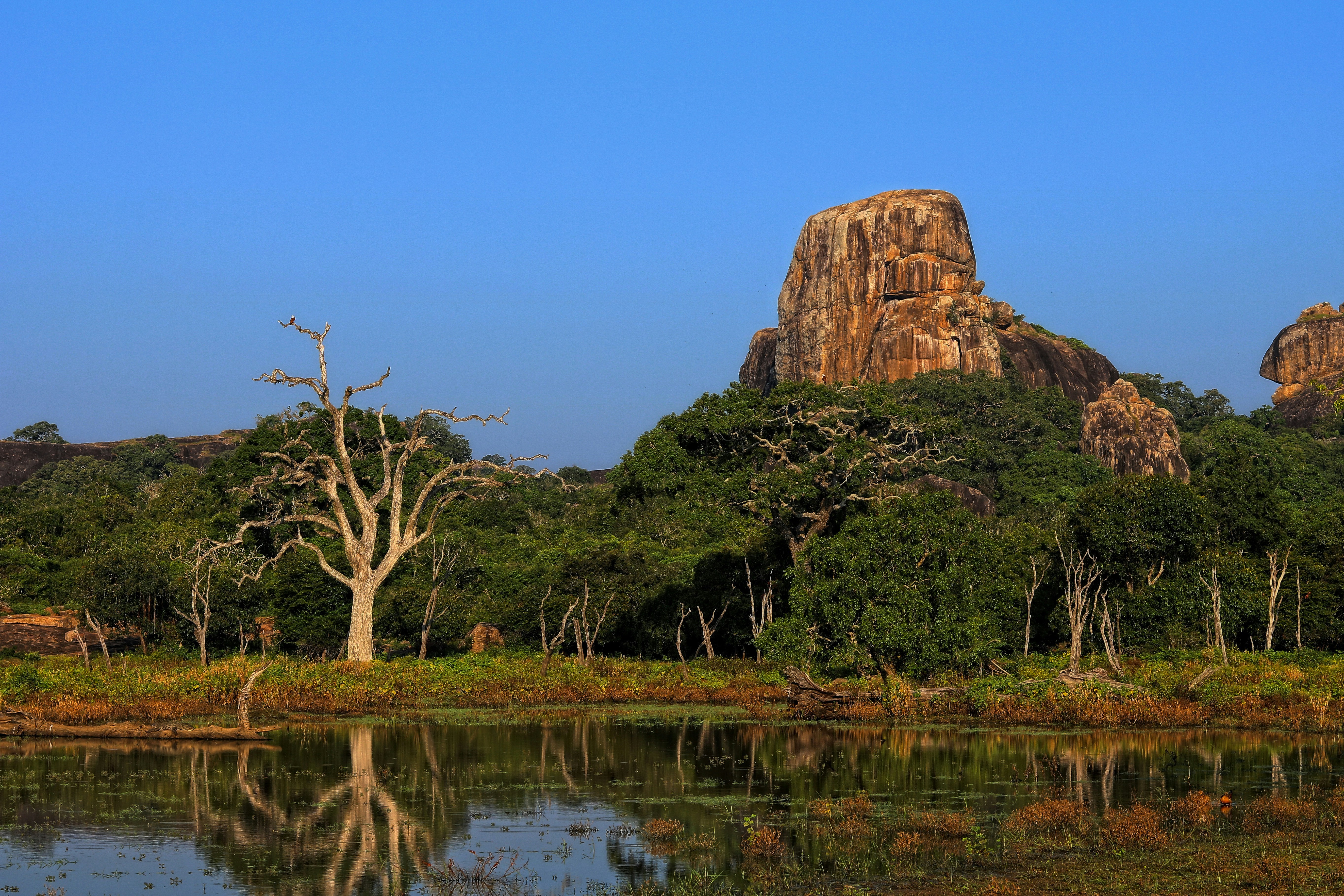
Tucked away in Sri Lanka’s southeastern corner, Yala National Park is where wild nature meets deep tradition. Known worldwide for its leopard population, the park is also home to elephants, sloth bears, crocodiles, and hundreds of bird species. Beyond wildlife, Yala opens doors to a cultural landscape dotted with ancient temples, Buddhist ruins, and coastal villages. For travelers seeking more than just a safari, Yala offers a chance to explore eco-tourism, local communities, and sacred heritage sites.
Population: The Yala National Park area doesn’t have a human population.
Economy: The economy around Yala National Park thrives on a blend of eco-tourism, agriculture, and local services. Safari tours, eco-lodges, and cultural experiences drive steady income for nearby towns like Tissamaharama and Kataragama, supporting thousands of families.
Landmarks: Famous for Block I of Yala and wildlife encounters, including elephants, sloth bears, crocodiles, and exotic bird species.
Explore Galle - Sri Lanka Travel, Asia
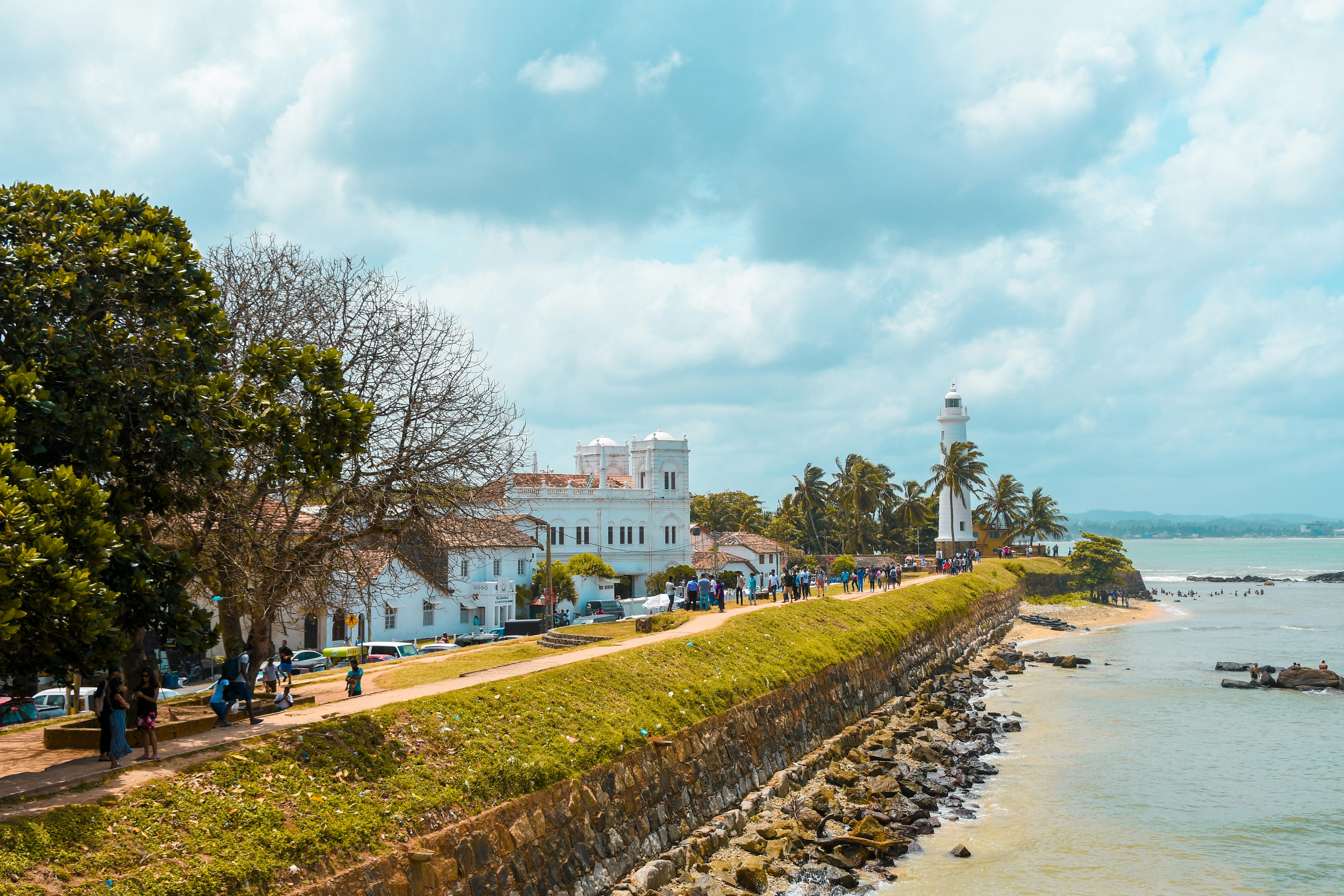
Nestled on Sri Lanka’s southern coastline, Galle is a vibrant city where history meets the sea. Its cobbled streets, colonial architecture, and serene beaches make it a must-visit destination for travelers seeking a blend of culture, adventure, and relaxation. A UNESCO World Heritage site, Galle captivates visitors with its Dutch Fort, bustling markets, and friendly locals. Whether you’re exploring the ramparts at sunset or savoring fresh seafood by the shore, Galle promises an unforgettable journey into Sri Lanka’s heritage.
Population: Approximately 113,000 in 2023.
Economy: Galle’s economy thrives on tourism, trade, and fisheries. The city’s historic fort, colonial architecture, and coastal charm draw thousands of international visitors each year, making tourism its main economic driver. Fishing remains vital for local livelihoods, supplying fresh seafood across the region.
Landmarks: Famous for the Galle Fort, Dutch Reformed Church & Maritime Museum, and Unawatuna Beach.
Explore Bentota - Sri Lanka Travel, Asia
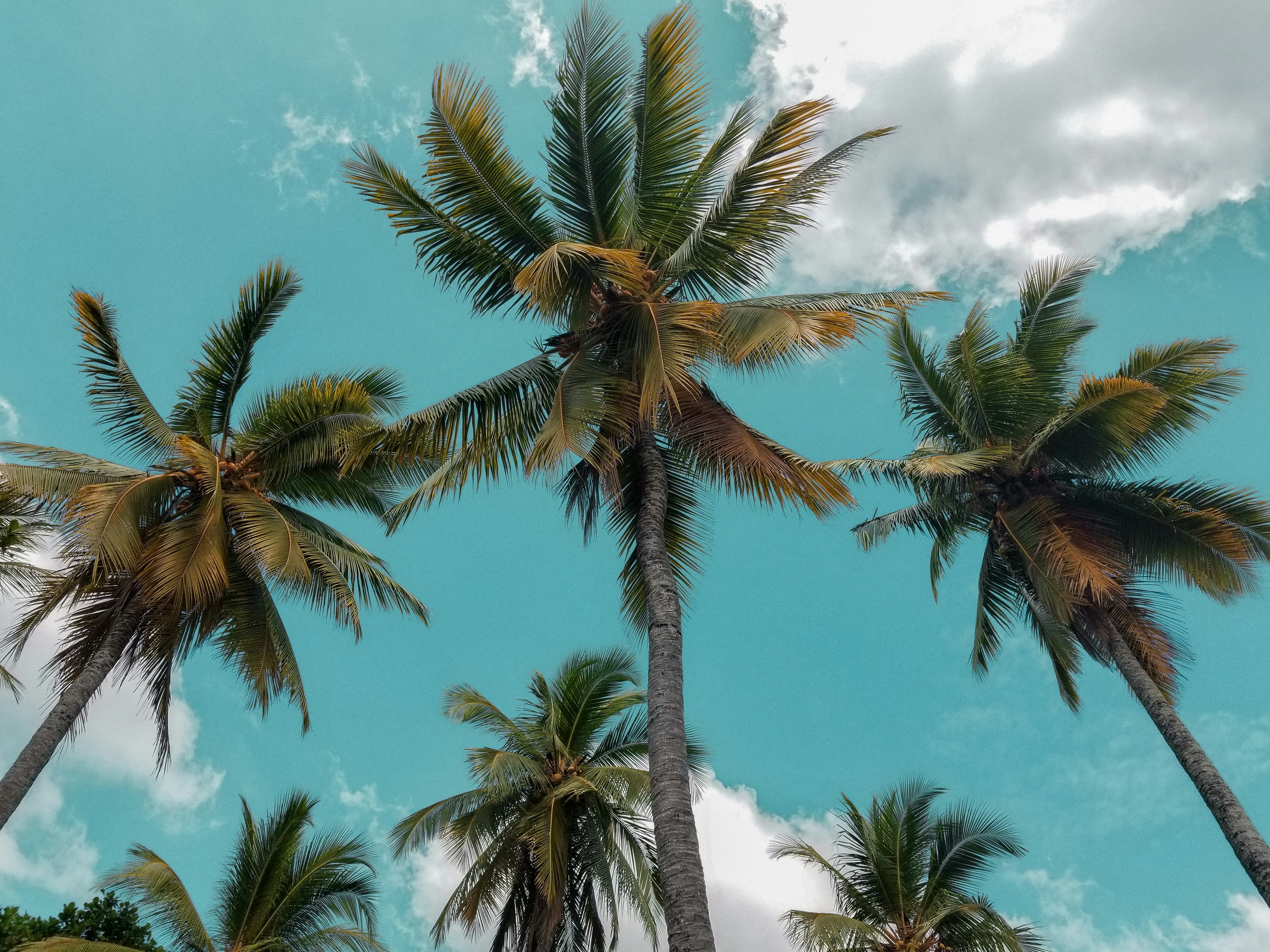
Nestled along Sri Lanka’s southwestern coast, Bentota is a tropical paradise that blends golden beaches, vibrant culture, and thrilling adventures. Famous for its calm waters, luxury resorts, and scenic river estuary, Bentota has become a top destination for travelers seeking both relaxation and authentic experiences. From serene beach walks at sunrise to adrenaline-pumping water sports, this coastal town offers a perfect balance of leisure and exploration. With its proximity to Colombo and Galle, Bentota is easy to reach, making it an ideal stop for both short escapes and extended holidays.
Population: Approximately 37,000 in 2023.
Economy: Bentota’s economy thrives mainly on tourism, which drives local businesses such as hotels, restaurants, and wellness retreats. The town also benefits from fishing, coconut cultivation, and handicrafts like wood carving and batik textiles. Many residents rely on the growing demand for water sports and Ayurvedic treatments, making tourism the backbone of both income and employment in the area.
Landmarks: Famous for Bentota Beach, Bentota River Safari, and Kande Vihara Temple.
Explore Mirissa - Sri Lanka Travel, Asia
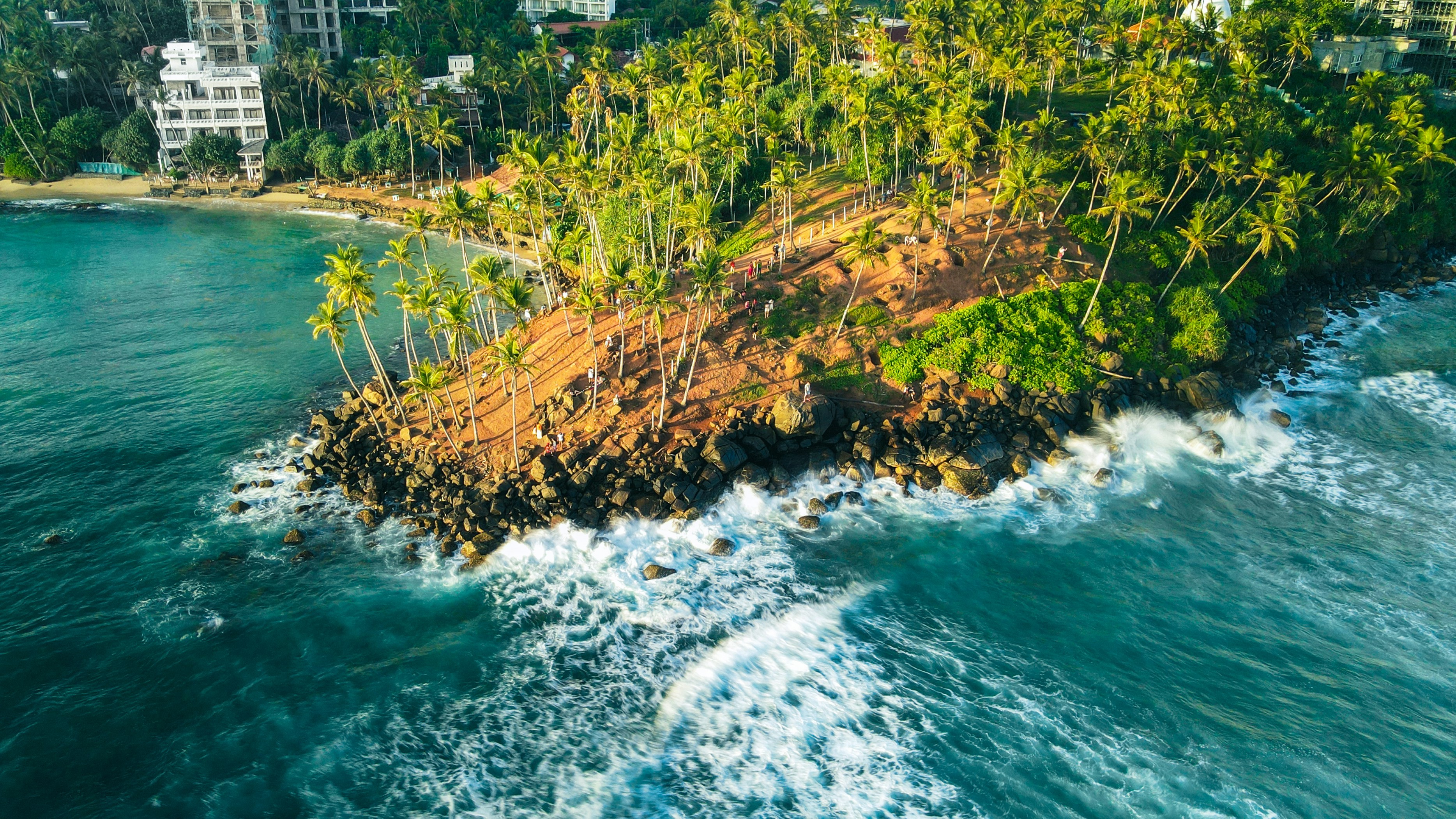
Mirissa is a charming coastal town on Sri Lanka’s southern shoreline. Known for its golden beaches, turquoise waters, and vibrant marine life, it has become a must-visit stop for travelers exploring the island. Many come for whale watching, surfing, and sunset views at Coconut Tree Hill, but Mirissa offers much more than postcard beauty. The fishing boats you see anchored by the bay carry generations of stories. Local traditions, delicious cuisine, and a laid-back rhythm of life shape every visitor’s experience.
Population: Approximately 4,700 in 2023.
Economy: Mirissa’s economy is largely shaped by its coastal location. Fishing has long been the backbone of local livelihoods, with generations relying on the Indian Ocean for income. In recent decades, tourism has become the main driver of growth, thanks to whale watching, surfing, and beachside hospitality.
Landmarks: Famous for Mirissa Beach, Coconut Tree Hill, and Parrot Rock Bridge.
Explore Nuwara Eliya - Sri Lanka Travel, Asia
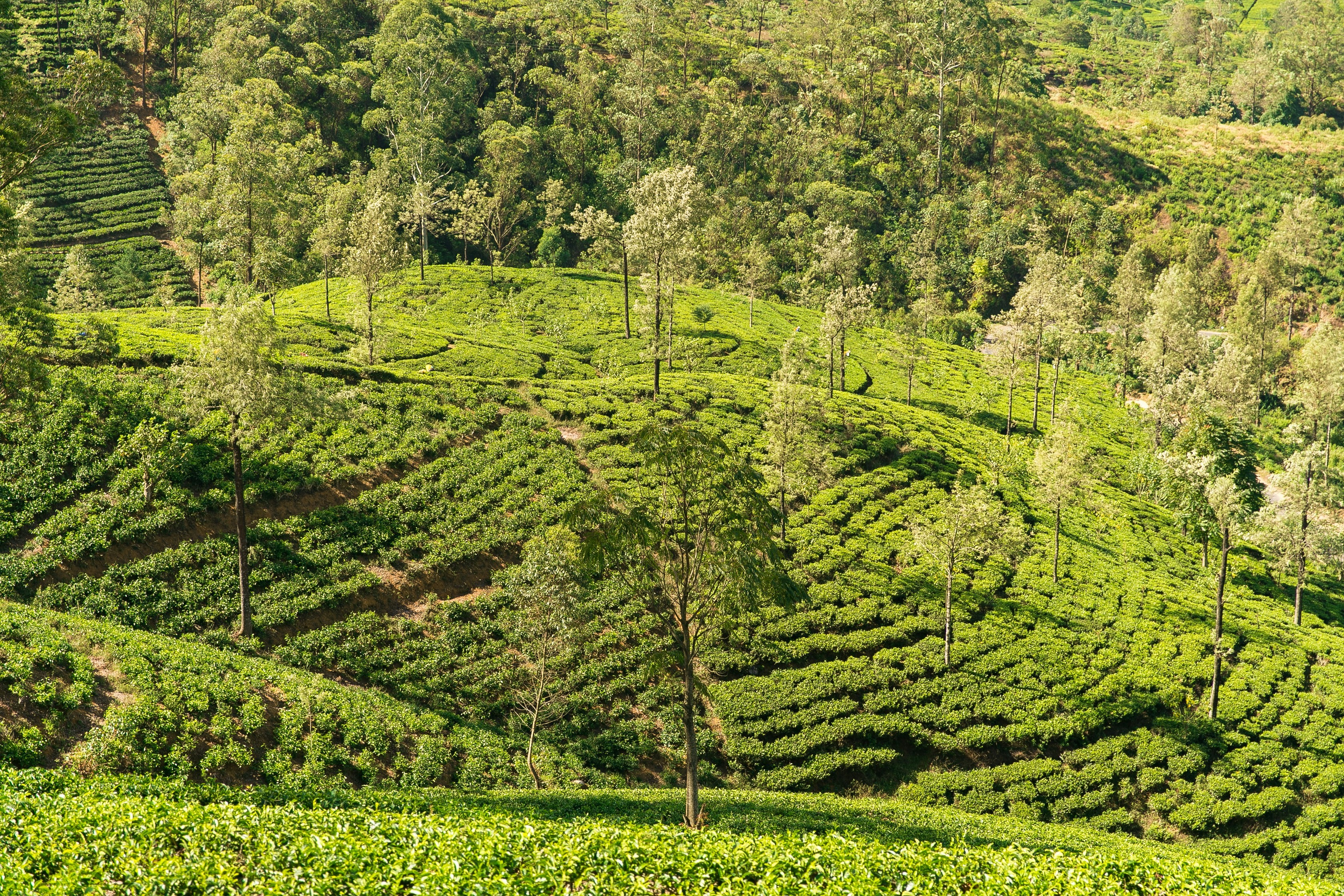
Tucked away in the Central Highlands of Sri Lanka, Nuwara Eliya is often called “Little England”. With its rolling tea plantations, cool misty mornings, and colonial charm, this mountain town feels like a step into another world. Travelers come here to breathe fresh air, walk through flower gardens, sip the finest Ceylon Tea, and enjoy a pace of life far from the island’s busy cities. Whether you’re drawn by scenic landscapes, heritage architecture, or the warmth of its people, Nuwara Eliya is a destination that blends nature, culture, and history in perfect harmony.
Population: Approximately 781,000 in 2023.
Economy: Nuwara Eliya’s economy thrives mainly on tea production, as it sits in the heart of Sri Lanka’s central highlands, famous worldwide for Ceylon Tea. The city also benefits from a growing tourism industry, attracting visitors with its colonial charm, cool climate, and scenic landscapes.
Landmarks: Famous for Gregory Lake, Hakgala Botanical Garden, and Victoria Park.
Explore Sukau - Malaysia Travel, Asia
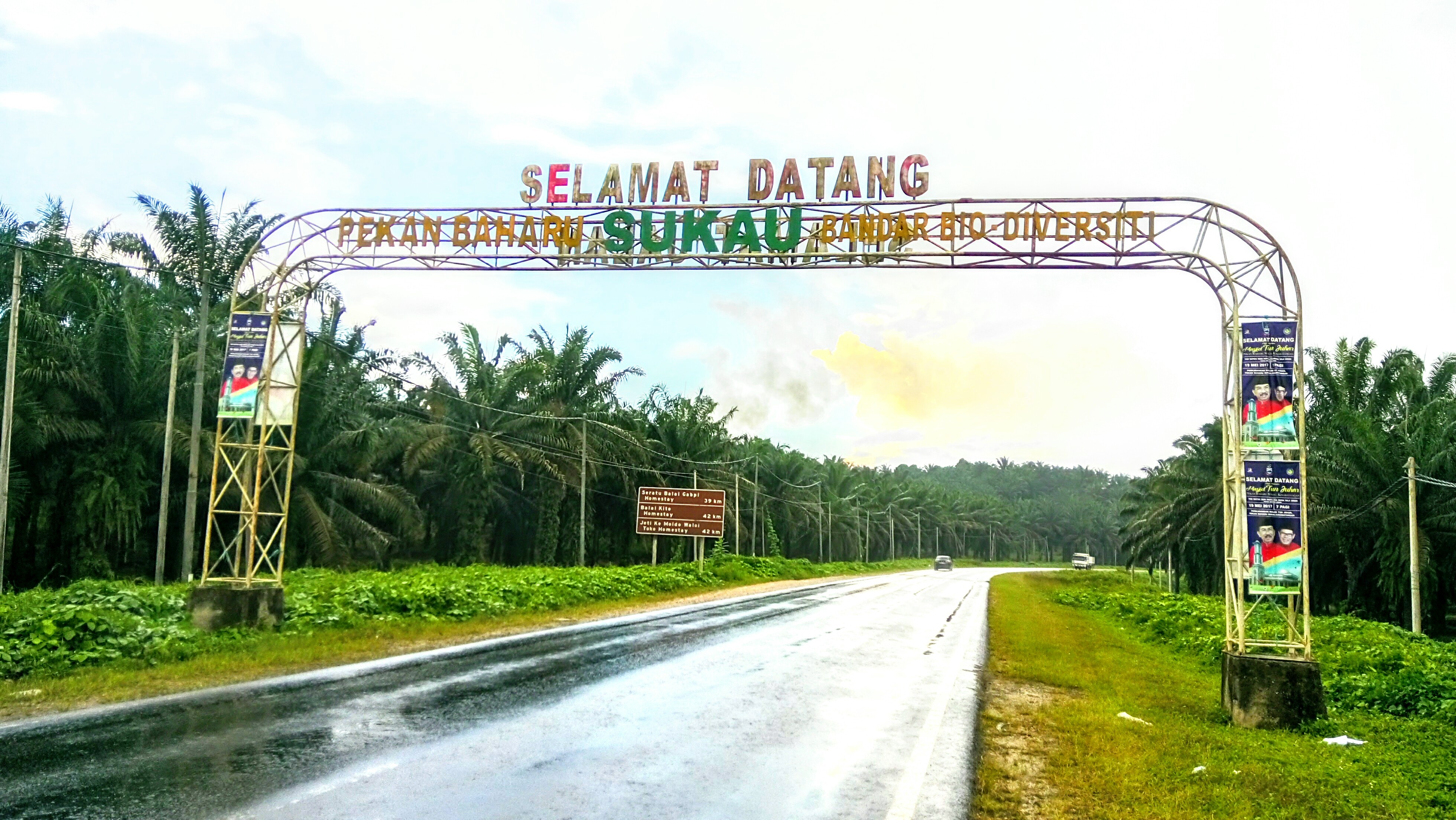
Nestled on the banks of the Kinabatangan River in Sabah, Malaysian Borneo, Sukau is a destination where wildlife, culture, and conservation come together. Known as one of Asia’s top spots for river safaris and eco-tourism, this quiet village offers a front-row seat to encounters with Bornean orangutans, pygmy elephants, proboscis monkeys, and exotic birdlife.
Population: Approximately 1,400 in 2019.
Economy: Sukau’s economy is shaped by its riverine location and natural resources. Traditionally, the Orang Sungai community relied on fishing, small-scale farming, and forest gathering for their livelihood. Today, the village has shifted toward eco-tourism, with river cruises, jungle trekking, and homestays providing income.
Landmarks: Famous for the Kinabatangan River cruises, Gomantong Caves, and Ox-bow lakes and wetlands.
Follow Us